
Why Minimally Invasive Gynecology Is Changing Women’s Healthcare
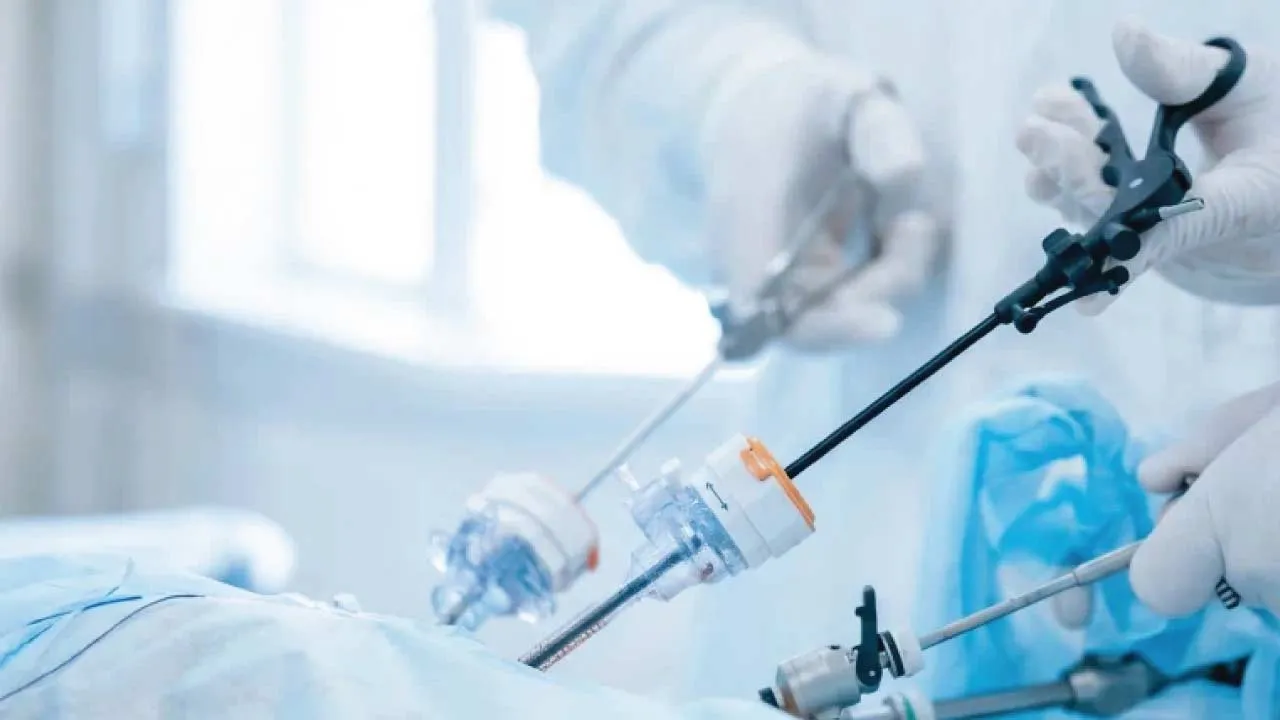
Women’s healthcare has evolved significantly over the years, and one of the biggest advancements has been the rise of minimally invasive gynecological surgery. From treating fibroids and ovarian cysts to managing endometriosis and complex gynecological conditions, minimally invasive techniques are transforming the way surgeries are performed and experienced by patients.
At Dr. Amol Arun Rakhade’s Advanced Gynecology and Endometriosis Center, minimally invasive gynecological procedures are helping women recover faster, experience less pain, and return to their daily lives sooner with improved outcomes and reduced surgical complications.
What Is Minimally Invasive Gynecology?
Minimally invasive gynecology involves advanced surgical techniques performed through very small incisions instead of large open cuts. These procedures commonly use specialized instruments and a laparoscope, a thin camera-equipped device that allows surgeons to operate with precision inside the body.
Common minimally invasive gynecological procedures include:
- Laparoscopic surgery
- Hysteroscopy
- Robotic-assisted gynecologic surgery
- Endometriosis excision surgery
- Ovarian cyst removal
- Fibroid surgery
- Hysterectomy through minimally invasive techniques
These procedures are designed to reduce trauma to the body while effectively treating gynecological conditions.
How Minimally Invasive Surgery Is Transforming Women’s Healthcare
Smaller Incisions And Less Scarring
Traditional open surgeries often require larger incisions, which may lead to more pain and visible scarring. Minimally invasive surgery uses tiny incisions, resulting in:
- Minimal scarring
- Reduced tissue damage
- Better cosmetic outcomes
This can improve both physical recovery and patient confidence after surgery.
Faster Recovery Time
One of the biggest advantages of minimally invasive gynecology is quicker recovery. Women undergoing laparoscopic procedures often return to normal activities much sooner compared to open surgery.
Benefits may include:
- Shorter hospital stays
- Faster healing
- Earlier return to work and daily activities
- Reduced post-operative discomfort
- Less Pain After Surgery
Smaller incisions and precise surgical techniques usually result in less post-operative pain. This reduces the need for strong pain medications and allows patients to recover more comfortably.
Lower Risk Of Infection And Complications
Minimally invasive procedures generally reduce the risk of:
- Surgical site infections
- Excessive blood loss
- Wound complications
- Hernia formation
This makes surgery safer for many women.
Better Precision During Surgery
Advanced laparoscopic equipment provides magnified high-definition visualization, helping surgeons operate with greater precision.
This is especially important in delicate conditions such as:
- Endometriosis
- Pelvic adhesions
- Fertility-preserving surgeries
- Complex ovarian cysts
Improved precision helps protect healthy surrounding tissues and organs.
Conditions Commonly Treated With Minimally Invasive Gynecology
Endometriosis
Endometriosis occurs when tissue similar to the uterine lining grows outside the uterus, often causing severe pain, infertility, and menstrual problems.
Minimally invasive laparoscopic surgery helps diagnose and remove endometriosis lesions with better visualization and precision.
Uterine Fibroids
Fibroids are non-cancerous growths in the uterus that may cause:
- Heavy bleeding
- Pelvic pressure
- Pain
- Fertility issues
Laparoscopic or hysteroscopic procedures can remove fibroids while preserving the uterus in many cases.
Ovarian Cysts
Many ovarian cysts can be safely removed using laparoscopic surgery with smaller incisions and faster recovery.
Hysterectomy
For women requiring hysterectomy, minimally invasive approaches often provide:
- Less pain
- Smaller scars
- Faster recovery
- Reduced hospitalization
- Abnormal Uterine Bleeding
Hysteroscopy and minimally invasive procedures can help diagnose and treat abnormal bleeding conditions effectively.
Importance Of Minimally Invasive Surgery In Endometriosis Care
Endometriosis is one of the most challenging gynecological conditions affecting women today. It can significantly impact quality of life, fertility, and emotional well-being.
Advanced laparoscopic surgery allows precise excision of endometriosis tissue while preserving reproductive organs whenever possible. This approach may help improve:
- Chronic pelvic pain
- Painful periods
- Fertility outcomes
- Daily functioning and quality of life
At Dr. Amol Arun Rakhade’s center, specialized expertise in endometriosis surgery helps women receive comprehensive and individualized care.
Fertility Benefits Of Minimally Invasive Gynecologic Surgery
For women trying to conceive, minimally invasive procedures may improve fertility by treating underlying reproductive conditions with minimal damage to healthy tissues.
Conditions that may benefit include:
- Endometriosis
- Fibroids
- Ovarian cysts
- Tubal adhesions
Preserving reproductive health is often a key advantage of these advanced surgical techniques.
Emotional And Lifestyle Benefits
Women undergoing minimally invasive surgery often report improved emotional well-being because of:
- Reduced fear of surgery
- Quicker return to family responsibilities
- Faster recovery
- Less physical discomfort
- Improved confidence after treatment
The shorter recovery period can significantly reduce stress associated with surgery.
Is Minimally Invasive Gynecology Suitable For Everyone?
While many women are excellent candidates for minimally invasive procedures, the best surgical approach depends on:
- The underlying condition
- Severity of disease
- Previous surgeries
- Overall health
- Fertility goals
A detailed consultation and evaluation help determine the most appropriate treatment plan.
When Should You Consult A Gynecologic Laparoscopic Surgeon?
You should seek medical advice if you experience:
- Severe menstrual pain
- Heavy menstrual bleeding
- Chronic pelvic pain
- Pain during intercourse
- Infertility concerns
- Ovarian cysts
- Fibroids
- Irregular bleeding
Early diagnosis and treatment can help prevent complications and improve quality of life.
Advancing Women’s Healthcare With Modern Surgical Care
Minimally invasive gynecology is revolutionizing women’s healthcare by offering safer, more precise, and patient-friendly treatment options. From quicker recovery to reduced pain and improved fertility outcomes, these advanced surgical techniques are helping women regain their health with greater comfort and confidence.
At Dr. Amol Arun Rakhade’s Advanced Gynecology and Endometriosis Center, women receive expert care focused on advanced laparoscopic techniques, personalized treatment, and long-term wellness.
Frequently Asked Questions
Q: What Is Minimally Invasive Gynecologic Surgery?
A: It involves advanced surgical procedures performed through small incisions using specialized instruments and laparoscopic techniques.
Q: Is Laparoscopic Surgery Painful?
A: Minimally invasive procedures usually involve less pain compared to traditional open surgeries.
Q: How Long Does Recovery Take After Laparoscopic Surgery?
A: Recovery is generally faster, and many women return to normal activities within a few days to weeks depending on the procedure.
Q: Can Minimally Invasive Surgery Help Treat Endometriosis?
A: Yes, laparoscopic surgery is one of the most effective methods for diagnosing and treating endometriosis.
Q: Are Smaller Scars A Benefit Of Minimally Invasive Surgery?
A: Yes, these procedures use tiny incisions that usually result in minimal visible scarring.
Q: Can Minimally Invasive Gynecology Improve Fertility?
A: Treating conditions like endometriosis, fibroids, and adhesions may improve fertility outcomes in some women.
Location
84, Rose Apartment, Sector 18B Rd, Sector 18, Sector 18A Dwarka, Dwarka, New Delhi, Delhi, 110078
Where expertise meets compassion, and every patient receives personalized care.


© 2025 Dr. Amol Arun Rakhade | All rights reserved | Website Design by Remedo