
Who Is A Candidate For A Minimally Invasive Hysterectomy?
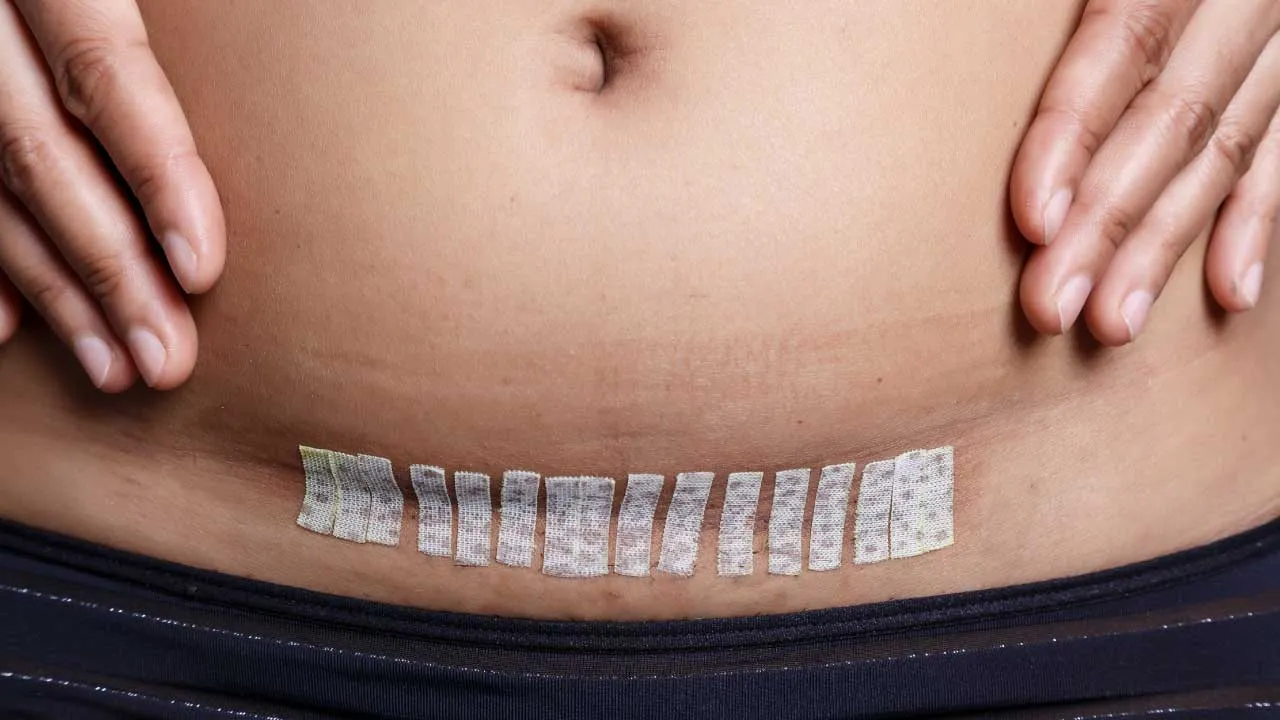
If you've been told that you may need a hysterectomy, it's natural to have questions. One of the first things many women ask is, "Will I need a large incision?" Fortunately, that's no longer the case for many patients.
Advances in surgical techniques have made minimally invasive hysterectomy a preferred option for many women because it typically involves smaller incisions, less postoperative discomfort, a shorter hospital stay, and a quicker return to daily activities compared with traditional open surgery.
However, not everyone is a candidate for this approach. The decision depends on several factors, including your medical condition, overall health, previous surgeries, and the complexity of the procedure.
Let's explore who may benefit from a minimally invasive hysterectomy and how your gynecologic surgeon determines the best treatment approach for you.
What Is A Minimally Invasive Hysterectomy?
A minimally invasive hysterectomy is a surgical procedure to remove the uterus using specialized techniques through small incisions or, in selected cases, through the vagina. Depending on your condition, the surgery may be performed laparoscopically, robotically, or through a vaginal approach.
Compared with an open abdominal hysterectomy, minimally invasive techniques generally result in:
- Smaller incisions
- Less blood losss
- Reduced postoperative pain
- Lower risk of wound-related complications
- Shorter hospital stay
- Faster recovery
- Earlier return to everyday activities
Your surgeon will recommend the most appropriate technique based on your individual needs.
Why Might A Hysterectomy Be Recommended?
A hysterectomy is usually considered when other treatment options have not provided sufficient relief or when surgery offers the best long-term outcome.
Common reasons include:
- Symptomatic uterine fibroids
- Heavy or prolonged menstrual bleeding
- Adenomyosis
- Endometriosis
- Chronic pelvic pain related to uterine disease
- Uterine prolapse
- Certain precancerous conditions
- Some gynecologic cancers, depending on the clinical situation
Not every condition requires a hysterectomy, which is why a thorough evaluation is essential before making a treatment decision.
Who Is Generally A Good Candidate?
Many women are suitable candidates for minimally invasive hysterectomy, but eligibility is determined on an individual basis.
You may be a good candidate if you:
- Have symptomatic fibroids that can be safely treated with a minimally invasive approach
- Experience heavy menstrual bleeding that hasn't improved with other treatments
- Have adenomyosis causing significant symptoms
- Need surgery for endometriosis in appropriate cases
- Have early-stage uterine prolapse that can be managed using minimally invasive techniques
- Are in good overall health for surgery
- Have a uterus that can be safely removed using minimally invasive methods
Your surgeon will assess all of these factors before recommending surgery.
When Might A Minimally Invasive Approach Not Be Suitable?
Although many women qualify, there are situations where an open procedure may provide a safer or more effective option.
These may include:
- A very large uterus that cannot be safely removed through minimally invasive techniques
- Extensive scar tissue from multiple previous abdominal surgeries
- Complex pelvic anatomy
- Advanced gynecologic cancers requiring extensive surgery
- Medical conditions that make laparoscopic surgery less appropriate
- Situations where visualization or access may be limited
Even in these situations, every effort is made to choose the safest surgical approach based on your specific condition rather than applying a one-size-fits-all recommendation.
How Does Your Surgeon Decide?
Choosing the right surgical approach involves much more than simply reviewing your diagnosis.
During your consultation, your gynecologic surgeon may evaluate:
- Your symptoms
- Your medical history
- Previous abdominal or pelvic surgeries
- Imaging studies such as ultrasound or MRI, when needed
- The size and position of the uterus
- The presence of fibroids or endometriosis
- Your overall health
- Future reproductive goals, when applicable
This comprehensive assessment helps determine whether minimally invasive surgery is both feasible and safe.
What Are The Benefits Of A Minimally Invasive Hysterectomy?
One reason many women ask about minimally invasive surgery is the recovery experience.
Compared with traditional open surgery, many patients experience:
- Smaller scars
- Less postoperative discomfort
- Reduced blood loss
- Lower risk of infection at the incision site
- Earlier walking and mobility
- Shorter hospitalization
- Faster return to work and normal activities
Recovery varies from person to person, but many women appreciate being able to resume their daily routines sooner.
What Is Recovery Like?
Although recovery is generally quicker than with open surgery, your body still needs time to heal.
During recovery, your surgeon may recommend:
- Walking regularly to promote circulation
- Avoiding heavy lifting for several weeks
- Eating a balanced diet and staying hydrated
- Taking prescribed medications as directed
- Attending scheduled follow-up visits
Many women notice gradual improvement each week, but complete healing takes time.
Questions To Ask During Your Consultation
If your doctor has recommended a hysterectomy, don't hesitate to ask questions such as:
- Am I a candidate for minimally invasive surgery?
- Which surgical approach do you recommend and why?
- What are the benefits and risks in my case?
- How long will recovery take?
- When can I return to work and exercise?
- Will my ovaries need to be removed?
- What should I expect after surgery?
A good consultation should leave you feeling informed, not rushed.
Does Every Woman Need A Hysterectomy?
No. A hysterectomy is only one of several treatment options for many gynecologic conditions.
Depending on your diagnosis, alternatives such as medications, hormonal therapy, minimally invasive procedures, or uterus-preserving surgeries may be appropriate. Your gynecologist will discuss all suitable options before recommending surgery.
The goal is always to choose the treatment that best matches your symptoms, medical condition, and personal preferences.
The Right Surgery Starts With The Right Evaluation
A minimally invasive hysterectomy offers many advantages, but the most important factor is choosing the surgical approach that's safest and most effective for your individual situation. Every woman's health history, symptoms, and treatment goals are unique, which is why a personalized evaluation is so important.
If you've been advised to undergo a hysterectomy, discussing your options with an experienced gynecologic surgeon can help you understand whether a minimally invasive approach is appropriate for you and what you can expect throughout your treatment journey.
Connect With Dr. Amol Arun Rakhade
If you're considering a hysterectomy or have been advised to undergo surgery for a gynecologic condition, consult Dr. Amol Arun Rakhade to learn whether a minimally invasive hysterectomy is right for you. With a personalized evaluation and advanced surgical expertise, he can help you choose the treatment approach that best supports your health, recovery, and long-term well-being.
Frequently Asked Questions
Q: Is everyone eligible for a minimally invasive hysterectomy?
A: No. Eligibility depends on factors such as your diagnosis, uterine size, previous surgeries, overall health, and the complexity of the procedure.
Q: Is a minimally invasive hysterectomy better than open surgery?
A: For many women, it offers benefits such as smaller incisions, less postoperative pain, and faster recovery. However, the best approach depends on your individual medical condition.
Q: How long does recovery take?
A: Recovery varies, but many women return to light daily activities within a few weeks. Your surgeon will provide guidance based on your procedure and overall health.
Q: Will I have visible scars?
A: Minimally invasive procedures typically involve small incisions, which generally result in smaller scars compared with open abdominal surgery.
Q: Can fibroids be treated with a minimally invasive hysterectomy?
A: Yes, many women with symptomatic fibroids are candidates, although the size, number, and location of the fibroids influence the surgical approach.
Q: Will my ovaries be removed during a hysterectomy?
A: Not necessarily. Whether the ovaries are removed depends on your age, medical condition, diagnosis, and treatment goals. Your surgeon will discuss this with you before surgery.
Location
84, Rose Apartment, Sector 18B Rd, Sector 18, Sector 18A Dwarka, Dwarka, New Delhi, Delhi, 110078
Where expertise meets compassion, and every patient receives personalized care.


© 2025 Dr. Amol Arun Rakhade | All rights reserved | Website Design by Remedo