
How Uterine Septum Affects Fertility
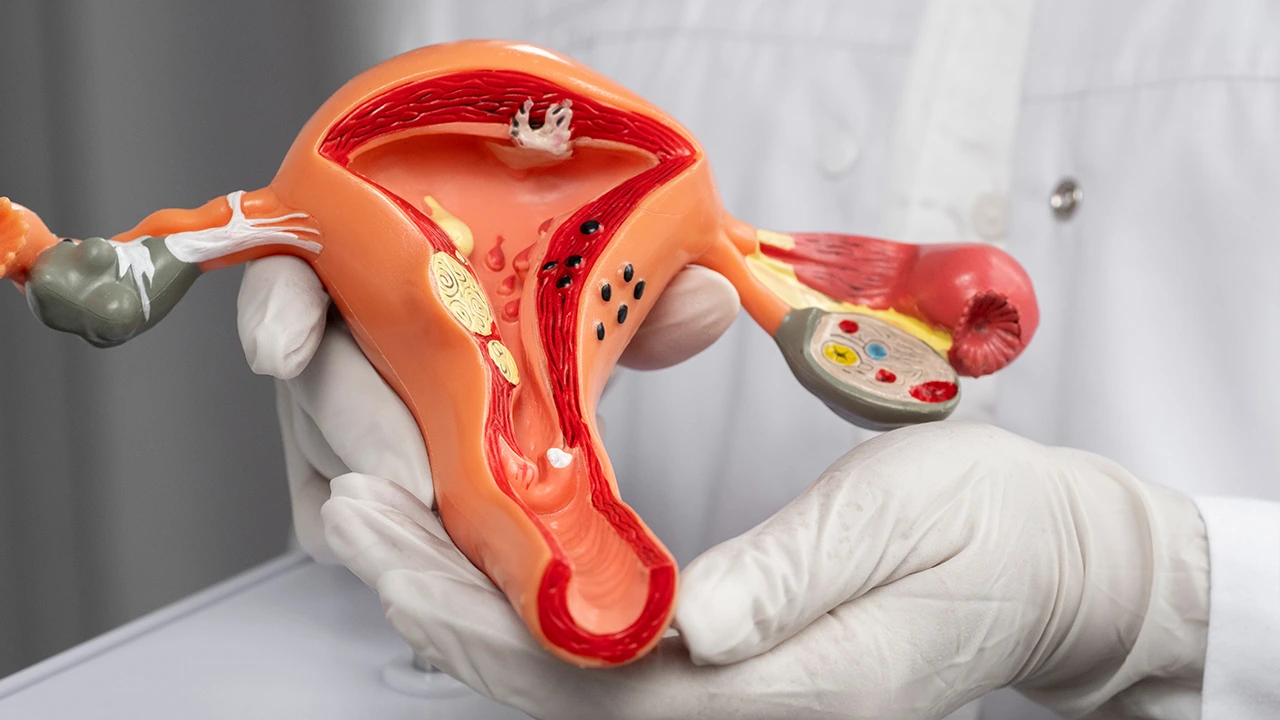
Uterine abnormalities can sometimes play a role in fertility challenges and pregnancy complications. One such condition is a uterine septum, a congenital structural abnormality in which a thin wall of tissue divides the uterus partially or completely.
Many women with a uterine septum may not experience noticeable symptoms, but the condition can affect fertility and increase the risk of miscarriage in some cases. Understanding how a uterine septum impacts reproductive health can help women seek the right diagnosis and treatment.
What Is A Uterine Septum?
A uterine septum, also called a septate uterus, is a condition where a fibrous or muscular band of tissue forms inside the uterus, dividing it into two cavities.
This condition develops before birth during fetal development when the uterus does not completely fuse into a single cavity. The septum may vary in size:
- Partial Septum: Divides only a portion of the uterus
- Complete Septum: Extends through the entire uterine cavity
The presence of this partition can affect the normal environment needed for implantation and pregnancy.
How Does A Uterine Septum Affect Fertility?
A uterine septum can influence fertility in several ways.
Difficulty With Implantation
For pregnancy to occur, a fertilized egg must implant into the lining of the uterus. The septum often has poor blood supply, which may make implantation difficult or prevent the embryo from developing properly.
Increased Risk Of Miscarriage
Pregnancy that implants on the septum may not receive adequate blood flow, increasing the risk of early pregnancy loss.
Women with a septate uterus are known to have a higher rate of recurrent miscarriages compared with women with a normal uterine structure.
Complications During Pregnancy
Even when pregnancy occurs successfully, a uterine septum may increase the risk of certain complications such as:
- Preterm birth
- Abnormal fetal position
- Restricted space for fetal growth
Early detection and proper medical care can help manage these risks.
Symptoms Of A Uterine Septum
Many women with a uterine septum may not notice any symptoms. The condition is often discovered during fertility evaluation or after repeated miscarriages.
Possible signs may include:
- Recurrent miscarriages
- Difficulty conceiving
- Painful periods in some cases
- Abnormal pregnancy outcomes
Because symptoms can be subtle, medical imaging is usually required for diagnosis.
How Is A Uterine Septum Diagnosed?
Doctors use imaging techniques to identify structural abnormalities of the uterus.
Common diagnostic tests include:
Ultrasound
A pelvic or 3D ultrasound can help visualize the shape of the uterus and detect the presence of a septum.
Hysteroscopy
During hysteroscopy, a thin camera is inserted through the cervix into the uterus, allowing doctors to directly view the uterine cavity.
MRI
Magnetic resonance imaging may sometimes be used for a more detailed evaluation of uterine structure.
These tests help determine the size and extent of the septum and guide treatment decisions.
Treatment Options For Uterine Septum
The most effective treatment for a uterine septum is hysteroscopic septum resection, a minimally invasive surgical procedure.
Hysteroscopic Septum Removal
During this procedure:
- A hysteroscope is inserted through the cervix
- The septum is carefully cut and removed
- The uterine cavity is restored to a normal shape
This procedure does not require abdominal incisions and usually involves a short recovery period.
Can Fertility Improve After Treatment?
Yes. Many women experience improved fertility and better pregnancy outcomes after septum removal.
Surgical correction can:
- Increase implantation success
- Reduce miscarriage risk
- Improve chances of carrying a pregnancy to term
Proper evaluation and treatment can significantly enhance reproductive outcomes.
When Should You Consult Dr. Amol Arun Rakhade?
You should seek medical advice if you experience:
- Recurrent miscarriages
- Difficulty conceiving
- Abnormal findings during pelvic scans
- Previous pregnancy complications
Early diagnosis allows doctors to recommend appropriate treatment and improve the chances of a healthy pregnancy.
FAQs
Q: Can A Woman With A Uterine Septum Get Pregnant?
A: Yes. Many women with a uterine septum can conceive, although the condition may increase the risk of miscarriage.
Q: Is Surgery Always Required For A Uterine Septum?
A: Not always. Surgery is usually recommended when the septum causes recurrent miscarriages or fertility problems.
Q: Is Septum Removal A Major Surgery?
A: No. Hysteroscopic septum removal is a minimally invasive procedure that does not require abdominal incisions.
Q: How Long Does Recovery Take After Septum Surgery?
A: Most patients recover quickly and can resume normal activities within a few days.
Q: Does Septum Surgery Improve Fertility?
A: Yes. In many cases, correcting a uterine septum improves the chances of successful pregnancy and reduces miscarriage risk.
Schedule Your Consultation
A uterine septum is a congenital uterine condition that can affect fertility and increase the risk of pregnancy complications. Although many women may not experience noticeable symptoms, the condition can be identified through imaging tests during fertility evaluation.
Fortunately, modern minimally invasive treatments such as hysteroscopic surgery can successfully correct the condition and improve reproductive outcomes.
Consulting a specialist like Dr. Amol Arun Rakhade ensures accurate diagnosis, personalized care, and the best possible support for women facing fertility challenges.
Location
84, Rose Apartment, Sector 18B Rd, Sector 18, Sector 18A Dwarka, Dwarka, New Delhi, Delhi, 110078
Where expertise meets compassion, and every patient receives personalized care.


© 2025 Dr. Amol Arun Rakhade | All rights reserved | Website Design by Remedo