
Recovering From Gynaecological Laparoscopy: What Is Normal and What Needs Attention?
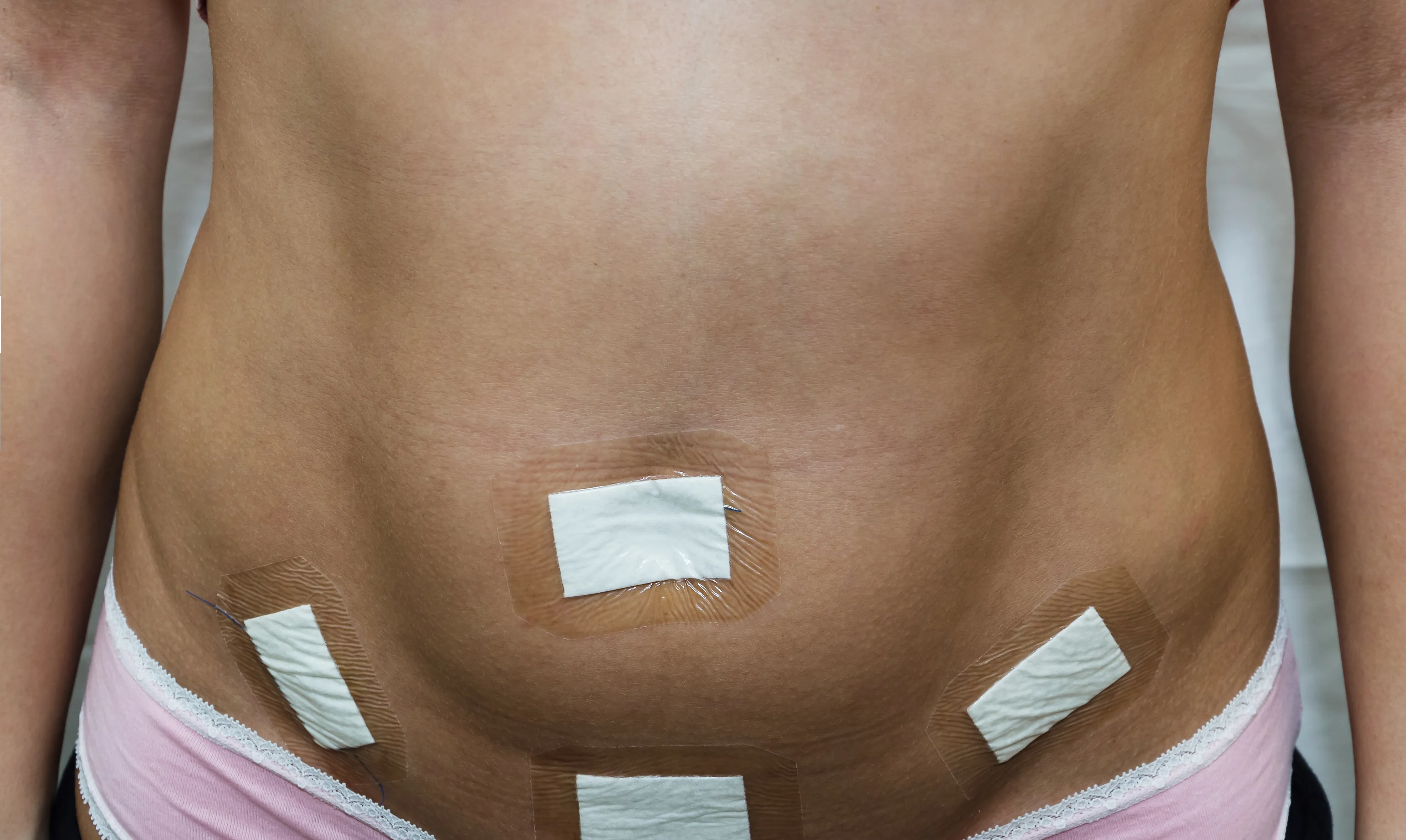
Gynaecological laparoscopy is a minimally invasive surgical procedure used to diagnose and treat several conditions, including endometriosis, ovarian cysts, fibroids, ectopic pregnancy and pelvic adhesions. Instead of making a large abdominal incision, the surgeon makes a few small cuts to access the pelvic organs using a thin instrument with a camera.
While smaller incisions generally mean less postoperative discomfort and a shorter hospital stay compared to many open procedures, recovery still takes time. Many women have questions once they return home. Is abdominal pain normal? Why does the shoulder hurt? When can you start exercising or return to work?
Knowing what to expect after surgery can make recovery less stressful and help you recognise when something needs medical attention.
What Happens Immediately After Gynaecological Laparoscopy?
After surgery, you are shifted to the recovery area where the medical team monitors your blood pressure, heart rate, breathing and pain levels.
You may feel sleepy, slightly nauseous or tired due to the effects of anaesthesia. Mild abdominal discomfort is also common. Depending on the procedure performed and your recovery, you may be discharged on the same day or advised to stay overnight.
Before going home, your doctor will explain wound care, medication, activity restrictions and follow-up instructions. Make sure you understand whom to contact if you experience any unusual symptoms.
Common Symptoms During Recovery: What's Normal?
Every woman's recovery is different. The symptoms you experience depend on the type of surgery, its complexity and your overall health.
Here are some changes that may occur during the initial recovery period.
Mild Abdominal Pain and Bloating
You may experience soreness, cramping or a feeling of tightness around your abdomen. This happens because of the surgical procedure and the gas used to create space inside the abdomen during laparoscopy.
Mild bloating may also make your stomach feel temporarily larger than usual. These symptoms generally improve gradually over the next few days.
Shoulder Pain After Surgery
This can be surprising, especially when the surgery was performed in the pelvic region. During laparoscopy, carbon dioxide gas is used to create working space inside the abdomen. Some of this gas can irritate the diaphragm, causing referred pain in the shoulder.
The discomfort usually settles as the gas is absorbed by the body. Gentle walking, as advised by your surgeon, may help you feel more comfortable.
Light Vaginal Bleeding or Spotting
Some women experience light bleeding or spotting after gynaecological laparoscopy. This may happen due to cervical or uterine manipulation during the procedure.
The amount and duration can vary depending on the surgery performed. However, heavy bleeding, large blood clots or bleeding accompanied by severe pain should not be ignored.
Tiredness and Low Energy
Feeling unusually tired during the first few days is common. Your body needs time to recover from anaesthesia and the physical stress of surgery.
Do not rush into your regular routine. Get adequate sleep, eat balanced meals and gradually increase your activity as recommended.
Mild Discomfort Around the Incisions
The small cuts made during laparoscopy may feel sore, tender or slightly bruised. You may also notice mild itching as the skin heals.
Keep the wounds clean and follow your surgeon's dressing instructions. Avoid applying creams or home remedies unless recommended by your medical team.
What Needs Medical Attention After Laparoscopy?
Although most women recover without major complications, certain symptoms require prompt medical assessment.
Contact your surgeon if you experience:
- Fever or chills.
- Increasing abdominal pain instead of gradual improvement.
- Heavy vaginal bleeding or large blood clots.
- Redness, swelling, pus or worsening pain around the incision.
- Persistent vomiting or inability to keep fluids down.
- Difficulty passing urine.
- Foul-smelling vaginal discharge.
Some symptoms require emergency medical attention. These include sudden breathlessness, chest pain, fainting, severe dizziness or significant swelling and pain in one leg. Seek immediate medical care rather than waiting for your next appointment.
Recognising these warning signs is important because complications such as infection, internal bleeding or blood clots may need timely treatment.
When Can You Return to Your Normal Routine?
One of the most common questions after surgery is how soon you can resume everyday activities. There is no single recovery timeline for everyone.
Your return to normal activities depends on whether you underwent a diagnostic laparoscopy or a more extensive procedure, such as endometriosis excision, ovarian cyst removal or laparoscopic hysterectomy.
Here are some general recovery considerations:
- Walking: Gentle walking is usually encouraged soon after surgery, as advised by your medical team. It supports circulation and helps reduce the risk of blood clots.
- Work: Some women with uncomplicated procedures may return to desk work within a few days to a couple of weeks. More extensive surgeries may require a longer break.
- Exercise: Avoid strenuous workouts, heavy lifting and abdominal exercises until your surgeon gives you clearance. Gradually increase activity based on your recovery.
- Driving: Resume driving only when you can move comfortably, wear a seatbelt and perform an emergency stop safely. You should also be off medication that causes drowsiness or affects your alertness.
- Sexual activity: Wait until your surgeon confirms that it is safe to resume sexual intercourse. This is particularly important after procedures involving the uterus, cervix or vagina.
Always follow the specific instructions provided by your surgeon rather than relying on general recovery timelines.
Simple Ways to Support Your Recovery
A few practical steps can make the recovery period more manageable:
- Take prescribed medicines as directed.
- Eat nutritious meals with adequate protein to support tissue healing.
- Drink enough water and include fibre-rich foods to help prevent constipation.
- Walk gently and avoid prolonged bed rest.
- Keep your incision sites clean and dry as instructed.
- Avoid lifting heavy objects until you receive medical clearance.
- Attend your scheduled follow-up appointments.
- Do not ignore persistent discomfort or try to manage unusual symptoms on your own.
Does Recovery Differ After Endometriosis Surgery?
Yes. Recovery after laparoscopic endometriosis surgery can vary considerably depending on the extent and location of the disease.
Removing superficial endometriosis lesions may involve a different recovery period compared to excising deep infiltrating endometriosis involving the bowel, bladder or other pelvic structures.
Some women may experience temporary pelvic discomfort, fatigue or changes in bowel and bladder habits. Your surgeon will explain which symptoms are expected based on the procedure performed and when further assessment is needed.
Follow-up care is also important to review healing, discuss symptom improvement and plan further management if required.
Get the Right Guidance for a Smoother Recovery
Recovering from gynaecological laparoscopy is a gradual process. Mild pain, bloating, fatigue and spotting may occur, but symptoms should generally improve rather than become progressively worse.
Understanding your recovery instructions, attending follow-up visits and reporting unusual symptoms can help you recover with greater confidence.
Dr. Amol Arun Rakhade, an Advanced Gynae Laparoscopic and Endometriosis Surgeon, provides evaluation and surgical care for various gynaecological conditions. Consult your gynaecologist to understand your recovery needs and receive guidance based on the procedure you have undergone.
Frequently Asked Questions
Q: How long does it take to recover from gynaecological laparoscopy?
A: Recovery time varies depending on the procedure performed. Many patients resume light activities within a few days, while complete recovery may take a few weeks.
Q: Is shoulder pain normal after gynaecological laparoscopy?
A: Yes. Shoulder pain can occur due to the gas used during laparoscopy. It usually settles within a few days. Contact your doctor if the pain is severe or persistent.
Q: Can I climb stairs after laparoscopic surgery?
A: Most patients can climb stairs slowly if they feel comfortable. Avoid rushing or overexerting yourself, and follow your surgeon's instructions.
Q: When can I return to exercise after laparoscopy?
A: Gentle walking is usually encouraged soon after surgery. Strenuous exercise, heavy lifting and abdominal workouts should be resumed only after your surgeon gives approval.
Q: What symptoms should I report after gynaecological laparoscopy?
A: Fever, worsening abdominal pain, heavy vaginal bleeding, persistent vomiting, wound redness or discharge, and difficulty passing urine should be reported to your doctor promptly. Sudden chest pain or breathlessness requires emergency medical attention.
Location
84, Rose Apartment, Sector 18B Rd, Sector 18, Sector 18A Dwarka, Dwarka, New Delhi, Delhi, 110078
Where expertise meets compassion, and every patient receives personalized care.


© 2025 Dr. Amol Arun Rakhade | All rights reserved | Website Design by Remedo