
Ovarian Cysts: Types And Treatment Options
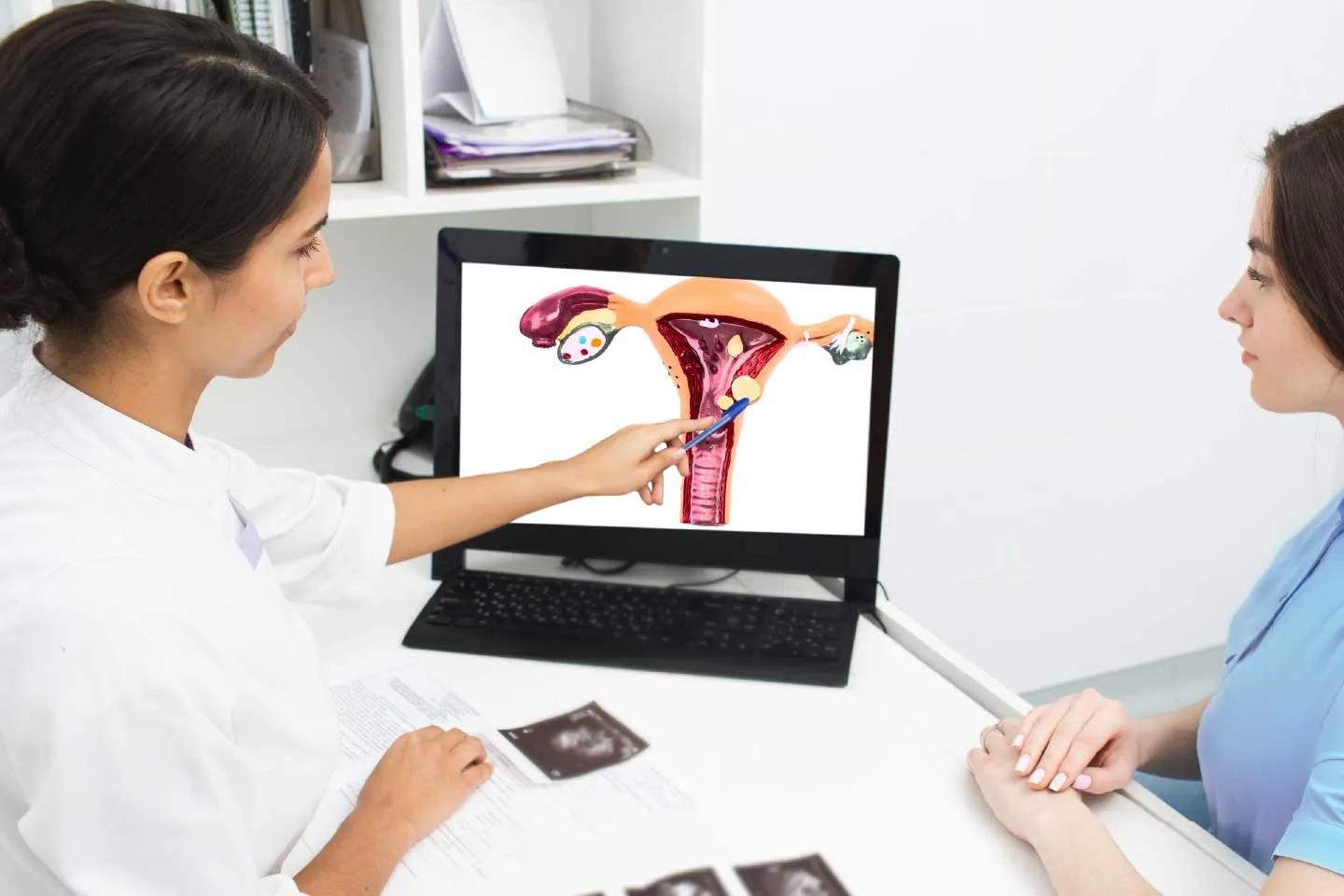
Ovarian cysts are a common gynecological condition affecting women of all ages. While many cysts are harmless and resolve on their own, some may require medical attention. Understanding the different types of ovarian cysts and their treatment options is essential for maintaining reproductive health. In this blog, Dr. Amol Arun Rakhade explains everything you need to know about ovarian cysts.
What Are Ovarian Cysts
Ovarian cysts are fluid-filled sacs that develop on or inside the ovaries. The ovaries are part of the female reproductive system and play a key role in hormone production and egg release.
According to Dr. Amol Arun Rakhade, most ovarian cysts are benign and often form as part of the normal menstrual cycle.
Types Of Ovarian Cysts
Ovarian cysts can be broadly classified into functional cysts and pathological cysts.
Functional Cysts
These are the most common and usually harmless.
Follicular Cysts
These form when the follicle does not release an egg and continues to grow.
Corpus Luteum Cysts
After the egg is released, the follicle forms the corpus luteum. If it fills with fluid, it becomes a cyst.
Dr. Amol Arun Rakhade notes that functional cysts typically resolve without treatment within a few menstrual cycles.
Pathological Cysts
These cysts are less common and may require medical intervention.
Dermoid Cysts
Contain tissues such as hair, skin, or teeth.
Endometriomas
Develop due to endometriosis and may cause significant pain.
Cystadenomas
Form on the outer surface of the ovary and can grow large.
Dr. Amol Arun Rakhade emphasizes that early diagnosis is important for managing these cysts effectively.
Symptoms Of Ovarian Cysts
Many ovarian cysts do not cause symptoms and are discovered incidentally. However, when symptoms occur, they may include:
- Lower abdominal or pelvic pain
- Bloating or fullness
- Irregular menstrual cycles
- Pain during intercourse
- Frequent urination
If a cyst ruptures or twists (ovarian torsion), it can cause severe pain and requires immediate medical attention.
Causes And Risk Factors
Ovarian cysts can develop due to various reasons, including:
- Hormonal imbalances
- Pregnancy
- Endometriosis
- Pelvic infections
- Previous history of ovarian cysts
Dr. Amol Arun Rakhade advises regular check-ups for women with risk factors to ensure early detection.
Diagnosis Of Ovarian Cysts
Diagnosis typically involves a combination of clinical evaluation and imaging tests.
- Pelvic examination
- Ultrasound scan
- Blood tests
- CT or MRI in complex cases
Dr. Amol Arun Rakhade highlights that ultrasound is the most commonly used tool to assess the size, type, and nature of the cyst.
Treatment Options For Ovarian Cysts
Treatment depends on the type, size, symptoms, and overall health of the patient.
Watchful Waiting
For small, asymptomatic cysts, doctors may recommend monitoring with regular follow-ups.
- Medications
- Hormonal contraceptives may help prevent new cysts
- Pain relievers for symptom management
Dr. Amol Arun Rakhade explains that medications do not shrink existing cysts but help manage symptoms and prevent recurrence.
Surgical Treatment
Surgery may be recommended if the cyst is large, persistent, or suspicious.
Laparoscopy
Minimally invasive procedure to remove small cysts.
Laparotomy
Open surgery for large or complex cysts.
The goal is to remove the cyst while preserving ovarian function whenever possible.
When To Seek Medical Help
It is important to consult a doctor if you experience:
- Sudden, severe abdominal pain
- Persistent pelvic discomfort
- Rapid abdominal swelling
- Irregular or heavy periods
Dr. Amol Arun Rakhade stresses that early medical evaluation can prevent complications and ensure timely treatment.
Ovarian Cysts And Fertility
Most ovarian cysts do not affect fertility. However, certain types like endometriomas may impact reproductive health.
With proper care and guidance from Dr. Amol Arun Rakhade, many women with ovarian cysts can conceive and have healthy pregnancies.
Prevention And Lifestyle Tips
While not all ovarian cysts can be prevented, certain lifestyle measures can support overall reproductive health:
- Maintain a healthy weight
- Follow a balanced diet
- Exercise regularly
- Manage stress
- Schedule routine gynecological check-ups
FAQs
Q: Are ovarian cysts dangerous?
A: Most ovarian cysts are harmless, but some may require treatment depending on their type and size.
Q: Can ovarian cysts go away on their own?
A: Yes, many functional cysts resolve without treatment.
Q: Do ovarian cysts cause infertility?
A: Most do not, but certain types like endometriomas may affect fertility.
Q: Is surgery always required?
A: No, surgery is only needed in specific cases such as large or persistent cysts.
Q: How are ovarian cysts detected?
A: They are usually diagnosed through ultrasound and clinical examination.
Conclusion
Ovarian cysts are a common condition, and in most cases, they are harmless. However, understanding the types, symptoms, and treatment options is crucial for timely care.
With expert guidance from Dr. Amol Arun Rakhade, women can manage ovarian cysts effectively and maintain optimal reproductive health. If you notice any unusual symptoms, do not ignore them and seek professional advice promptly.
If you are experiencing symptoms or have concerns about ovarian cysts, consult Dr. Amol Arun Rakhade for expert evaluation and personalized treatment. Early care can make a significant difference in your health and well-being.
Location
84, Rose Apartment, Sector 18B Rd, Sector 18, Sector 18A Dwarka, Dwarka, New Delhi, Delhi, 110078
Where expertise meets compassion, and every patient receives personalized care.


© 2025 Dr. Amol Arun Rakhade | All rights reserved | Website Design by Remedo