
Open Vs Laparoscopic Myomectomy: Which Is Better?
Uterine fibroids are among the most common non-cancerous growths affecting women during their reproductive years. While many fibroids do not cause symptoms, others can lead to heavy menstrual bleeding, pelvic pain, pressure symptoms, infertility, or recurrent pregnancy loss. When symptoms become significant, surgical removal of fibroids, known as myomectomy, may be recommended.
Today, women have more than one surgical option for fibroid removal. The two most common approaches are open myomectomy and laparoscopic myomectomy. Each has its own advantages and limitations, and the best choice depends on several factors.
According to Dr. Amol Arun Rakhade, selecting the right surgical approach requires careful evaluation of the size, number, and location of fibroids, as well as the patient's future fertility plans and overall health.
What Is A Myomectomy?
A myomectomy is a surgical procedure performed to remove uterine fibroids while preserving the uterus. It is often preferred by women who wish to retain fertility or avoid a hysterectomy.
Myomectomy can help relieve symptoms such as:
- Heavy menstrual bleeding
- Pelvic pain or pressure
- Frequent urination
- Pain during intercourse
- Infertility related to fibroids
- Recurrent pregnancy loss associated with fibroids
What Is Open Myomectomy?
Open myomectomy, also called abdominal myomectomy, involves making a larger incision in the lower abdomen to directly access and remove fibroids.
This traditional approach provides the surgeon with a clear view of the uterus and is often used for complex cases.
Advantages Of Open Myomectomy
- Suitable for very large fibroids
- Allows removal of multiple fibroids in one procedure
- Better access for complex uterine reconstruction
- Useful when fibroids are deeply embedded within the uterine wall
Limitations Of Open Myomectomy
- Larger surgical incision
- Increased postoperative pain
- Longer hospital stay
- Greater blood loss in some cases
- Longer recovery period
What Is Laparoscopic Myomectomy?
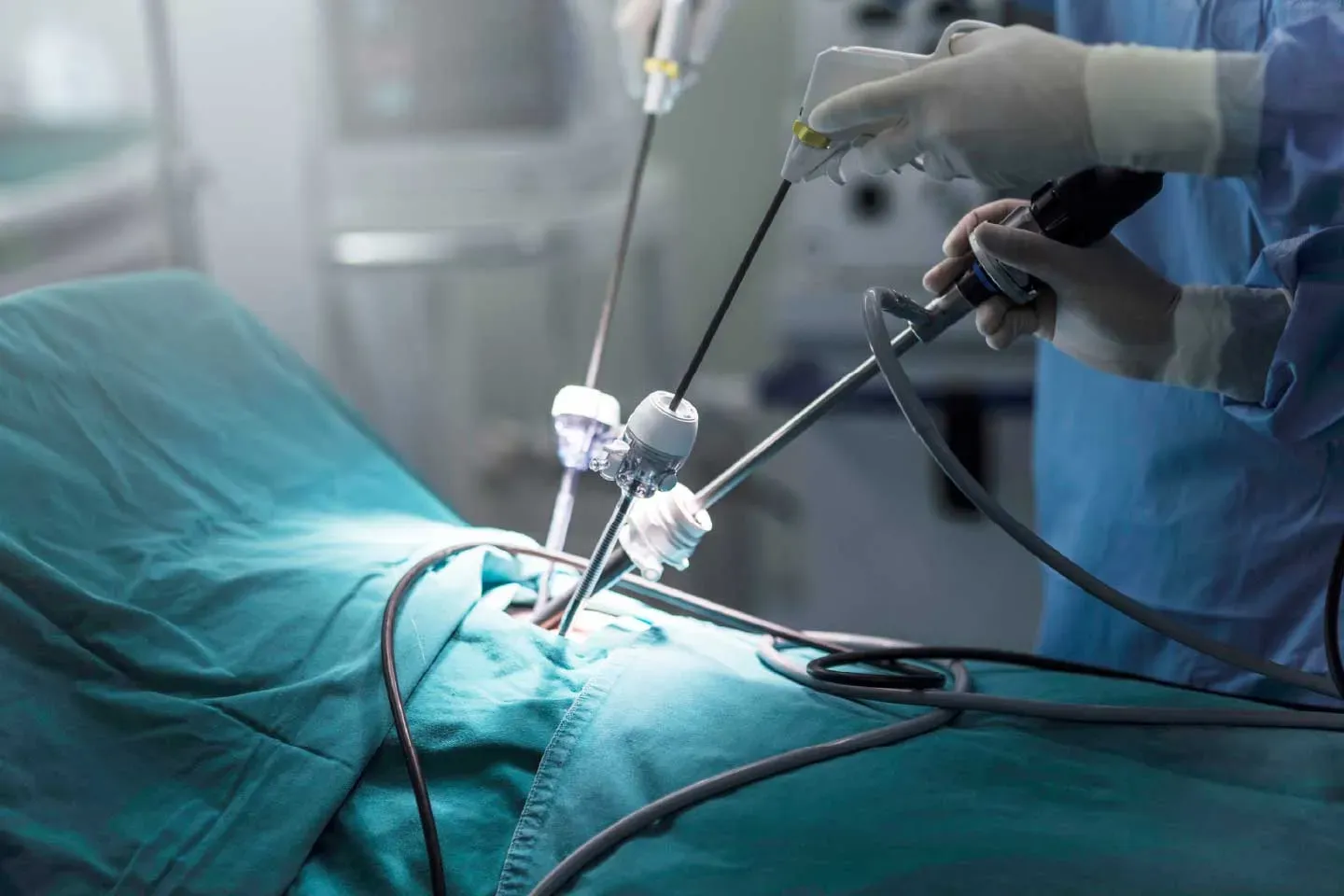
Laparoscopic myomectomy is a minimally invasive procedure performed through a few small incisions in the abdomen. A camera and specialized instruments are used to remove the fibroids.
This technique has become increasingly popular because it offers faster recovery and less surgical trauma.
Advantages Of Laparoscopic Myomectomy
- Smaller incisions
- Less postoperative pain
- Reduced blood loss
- Shorter hospital stay
- Faster return to daily activities
- Smaller scars and improved cosmetic results
Limitations Of Laparoscopic Myomectomy
- May not be suitable for extremely large fibroids
- Technically more complex
- Procedure time may be longer in certain cases
- Requires specialized surgical expertise
How Do Surgeons Decide Which Procedure Is Best?
The decision depends on multiple factors.
Size Of Fibroids
Very large fibroids may be better managed through open surgery, although advances in laparoscopic techniques have expanded the range of fibroids that can be treated minimally invasively.
Number Of Fibroids
Women with numerous fibroids may sometimes benefit from open surgery because it allows easier access for complete removal.
Location Of Fibroids
Fibroids located deep within the uterine wall or in challenging anatomical positions may influence the surgical approach.
Future Pregnancy Plans
For women hoping to conceive in the future, preserving uterine integrity is a key consideration. Both open and laparoscopic myomectomy can be fertility-preserving procedures when appropriately performed.
Surgeon's Experience
The success of laparoscopic myomectomy depends significantly on the surgeon's expertise and experience with advanced minimally invasive techniques.
Recovery: Open Vs Laparoscopic Myomectomy
Open Myomectomy Recovery
Patients typically require:
- Hospital stay of 2–4 days
- Recovery period of 4–6 weeks
- Temporary activity restrictions
Laparoscopic Myomectomy Recovery
Patients often experience:
- Shorter hospital stay
- Faster mobility after surgery
- Return to work and daily activities within 1–3 weeks in many cases
Recovery times vary based on the extent of surgery and individual healing.
Risks Associated With Both Procedures
As with any surgery, myomectomy carries certain risks.
These include:
- Bleeding
- Infection
- Injury to nearby organs
- Scar tissue formation
- Fibroid recurrence
- Need for future surgery
The overall risk profile depends on the complexity of the case and the patient's health status.
Does Myomectomy Improve Fertility?
In many women, removing fibroids can improve fertility, especially when fibroids distort the uterine cavity or interfere with embryo implantation.
However, fertility outcomes depend on:
- Age
- Overall reproductive health
- Number and location of fibroids
- Presence of other fertility factors
Dr. Amol Arun Rakhade emphasizes that treatment decisions should be individualized based on each woman's reproductive goals.
Is Laparoscopic Myomectomy Always Better?
Not necessarily.
While laparoscopic surgery offers several advantages, it is not the ideal choice for every patient. In some situations, open surgery remains the safest and most effective option.
The goal is not simply to choose the least invasive procedure but to select the approach that offers the best surgical outcome and long-term benefits.
When Should You Consider Myomectomy?
You may be advised to consider myomectomy if you have:
- Heavy menstrual bleeding
- Significant pelvic pain
- Rapidly growing fibroids
- Pressure symptoms affecting daily life
- Infertility associated with fibroids
- Recurrent miscarriages linked to fibroids
A detailed evaluation helps determine whether surgery is necessary and which approach is most appropriate.
Conclusion
Both open and laparoscopic myomectomy are effective treatments for symptomatic uterine fibroids. Laparoscopic myomectomy offers the advantages of smaller incisions, less pain, and faster recovery, while open myomectomy remains valuable for large, multiple, or complex fibroids.
According to Dr. Amol Arun Rakhade, the best surgical option is the one that safely removes fibroids, preserves uterine function, and aligns with the patient's long-term health and fertility goals. A thorough consultation with an experienced gynecologic surgeon is essential to make the most informed decision.
FAQs
Q: Which Is Better, Open Or Laparoscopic Myomectomy?
A: Neither is universally better. The ideal approach depends on the size, number, and location of fibroids, as well as individual patient factors.
Q: Is Laparoscopic Myomectomy Less Painful?
A: Yes. Most patients experience less postoperative pain compared to open surgery.
Q: Can I Get Pregnant After Myomectomy?
A: Many women successfully conceive after myomectomy, particularly when fibroids were affecting fertility.
Q: How Long Does Recovery Take After Open Myomectomy?
A: Recovery usually takes about 4–6 weeks, although this may vary between individuals.
Q: Do Fibroids Return After Surgery?
A: Fibroids can recur after myomectomy, especially in younger women who have many years before menopause.
Struggling with fibroids or considering fibroid surgery? Consult Dr. Amol Arun Rakhade for expert evaluation, advanced laparoscopic and open surgical options, and personalized treatment planning tailored to your health and fertility goals.
Location
84, Rose Apartment, Sector 18B Rd, Sector 18, Sector 18A Dwarka, Dwarka, New Delhi, Delhi, 110078
Where expertise meets compassion, and every patient receives personalized care.


© 2025 Dr. Amol Arun Rakhade | All rights reserved | Website Design by Remedo