
Laparoscopy Before IVF: Is It Necessary?
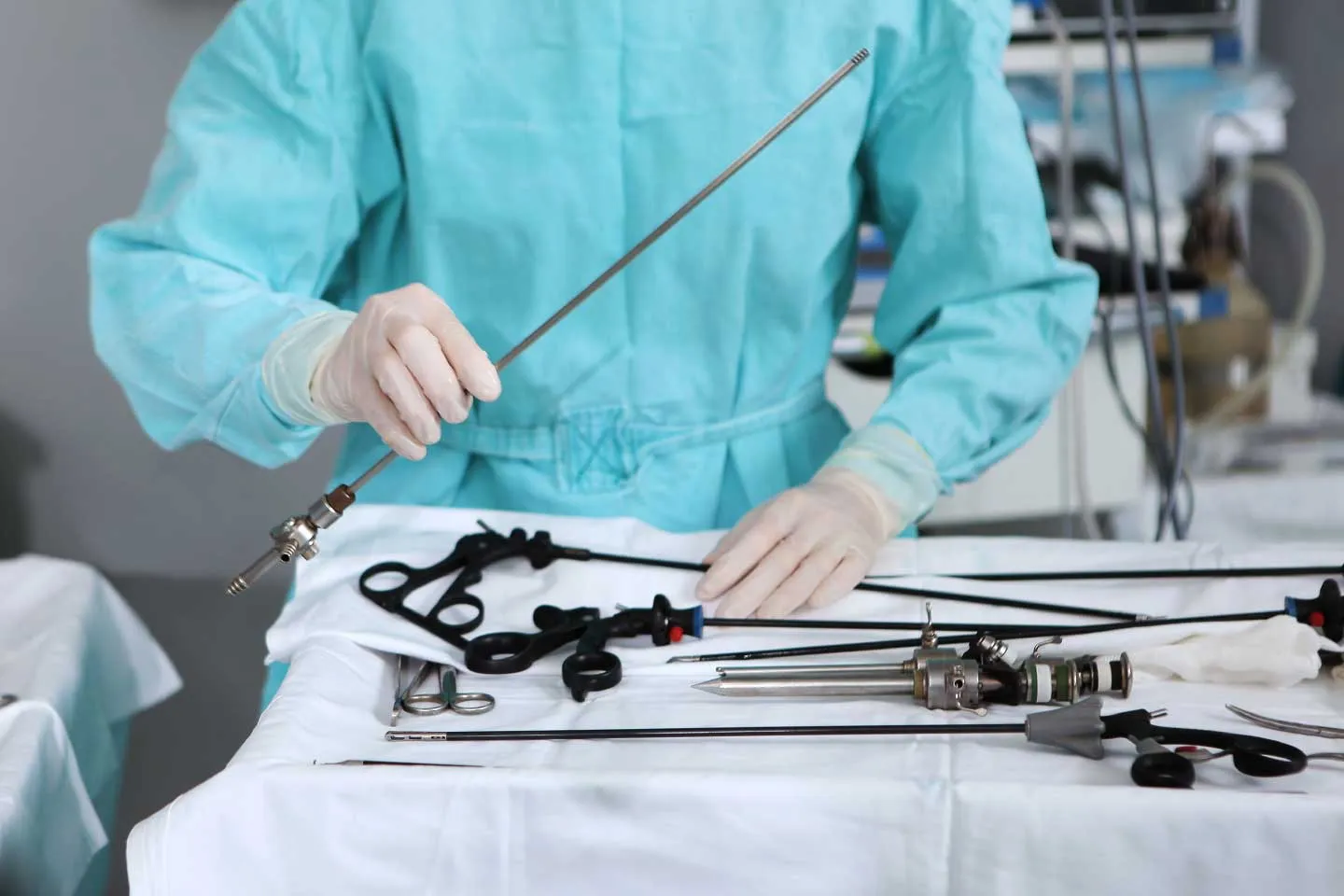
In vitro fertilization (IVF) has revolutionized fertility treatment, offering hope to couples facing infertility. In some situations, doctors may recommend a laparoscopy before IVF to closely evaluate the reproductive organs and identify any conditions that could affect treatment success. This minimally invasive procedure allows direct visualization of the uterus, fallopian tubes, ovaries, and surrounding pelvic structures.
Dr. Amol Arun Rakhade emphasizes that laparoscopy can provide valuable insights in selected cases, especially when conditions like endometriosis, pelvic adhesions, fibroids, ovarian cysts, or tubal problems are suspected. Detecting and treating these issues beforehand may improve implantation chances, enhance IVF outcomes, and support overall reproductive health.
Since laparoscopy involves small incisions and typically has quicker recovery compared to open surgery, it is often well tolerated. However, it is recommended only when clinically indicated, and the decision should always be individualized after proper consultation with a fertility specialist.
What Is Laparoscopy
Laparoscopy is a minimally invasive surgical procedure in which a thin, lighted tube with a camera is inserted through a small incision in the abdomen. This allows the doctor to examine the uterus, fallopian tubes, and ovaries directly.
The procedure can help:
- Detect endometriosis or scar tissue
- Identify blocked fallopian tubes
- Assess ovarian health and follicle status
- Detect fibroids or cysts that may affect fertility
It is performed under general anesthesia and usually requires a short recovery period.
Why Laparoscopy May Be Recommended Before IVF
Not all women require laparoscopy before IVF. It is typically advised in specific situations, including:
- History of pelvic infections or pelvic inflammatory disease (PID)
- Previous pelvic surgeries that may have caused adhesions
- Suspected endometriosis affecting fertility
- Recurrent IVF failures
- Unexplained infertility after standard evaluations
By identifying and addressing these issues, laparoscopy can enhance the chances of a successful IVF cycle.
Benefits of Laparoscopy Before IVF
Performing laparoscopy before IVF can offer several advantages:
- Improved IVF success rates by correcting structural or pathological issues
- Direct visualization of reproductive organs for accurate diagnosis
- Treatment during the same procedure, such as removing endometriosis or adhesions
- Personalized fertility planning based on observed conditions
Dr. Amol Arun Rakhade notes that the benefits are most pronounced in women with a history of infertility or pelvic complications.
Risks and Considerations
Like any surgical procedure, laparoscopy carries some risks, though they are generally low. Potential risks include:
- Bleeding or infection
- Damage to surrounding organs
- Anesthesia-related complications
- Minor post-operative pain or swelling
Careful evaluation and consultation with a fertility specialist help determine whether the potential benefits outweigh the risks.
Alternatives to Laparoscopy
In some cases, non-invasive imaging tests may suffice before IVF, such as:
- Ultrasound to examine ovarian and uterine structures
- Hysterosalpingography (HSG) to assess fallopian tube patency
- Sonohysterography for uterine evaluation
These methods are less invasive and may be enough for women without complex reproductive histories.
Recovery After Laparoscopy
Recovery from laparoscopy is generally quick. Most patients can resume daily activities within a few days, though full recovery may take one to two weeks. Post-operative care includes:
- Pain management with prescribed medications
- Avoiding strenuous activity for a short period
- Monitoring incision sites for infection
- Follow-up visits to discuss findings and fertility planning
Dr. Amol Arun Rakhade emphasizes that proper recovery and adherence to post-operative instructions are crucial for optimal outcomes.
Is Laparoscopy Always Necessary Before IVF?
Not all women need laparoscopy before IVF. It is recommended based on individual risk factors, previous medical history, and fertility challenges. The decision is best made after a thorough evaluation, including:
- Medical history and previous surgeries
- Results from non-invasive fertility tests
- Duration and cause of infertility
- Previous IVF attempts and outcomes
Personalized assessment ensures the procedure is used only when it truly benefits the patient.
FAQs
Q: Does laparoscopy improve IVF success?
A: Yes, in selected cases, correcting structural or pathological issues can increase the chances of IVF success.
Q: Is laparoscopy painful?
A: Most patients experience minor discomfort. Pain is generally managed with medication, and recovery is quick.
Q: How long before IVF can I undergo laparoscopy?
A: Timing depends on recovery and fertility planning, usually a few weeks before the IVF cycle.
Q: Are there risks with laparoscopy?
A: Risks are low but may include bleeding, infection, or anesthesia complications. Your specialist will guide you on safety measures.
Q: Can laparoscopy be performed along with treatment for fertility issues?
A: Yes. Procedures such as removing adhesions, cysts, or endometriosis can often be done during the same surgery.
Conclusion
Laparoscopy before IVF is a valuable tool in selected cases, providing direct evaluation of reproductive organs and the opportunity to address issues that may affect fertility. While not necessary for every patient, it can improve IVF outcomes for women with a history of infertility, pelvic surgeries, or suspected endometriosis.
Dr. Amol Arun Rakhade advises consulting a fertility specialist to determine whether laparoscopy is appropriate for your individual situation. Early evaluation, personalized planning, and timely intervention can optimize your chances of a successful pregnancy.
Consult Dr. Amol Arun Rakhade for expert guidance on fertility evaluation and to determine if laparoscopy before IVF is right for you.
Location
84, Rose Apartment, Sector 18B Rd, Sector 18, Sector 18A Dwarka, Dwarka, New Delhi, Delhi, 110078
Where expertise meets compassion, and every patient receives personalized care.


© 2025 Dr. Amol Arun Rakhade | All rights reserved | Website Design by Remedo