
Laparoscopic Removal Of Benign Gynecologic Tumors
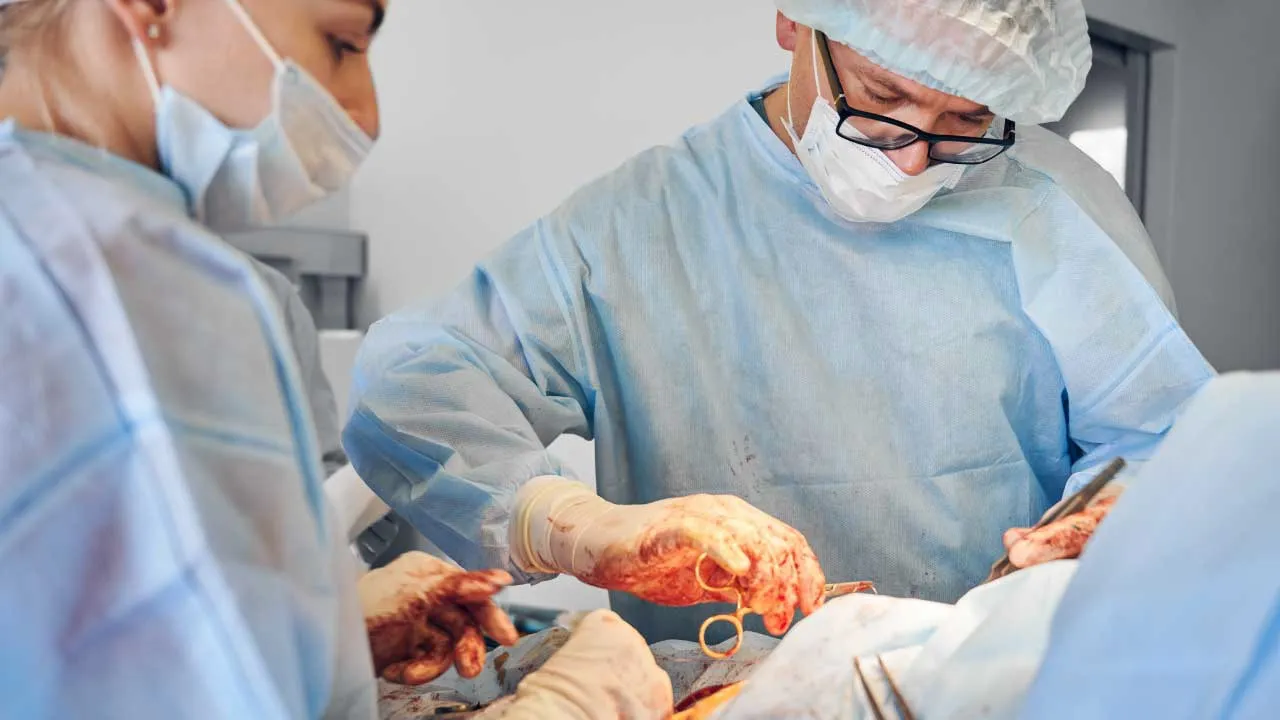
Hearing that you have a gynecologic tumor can be unsettling, even when your healthcare provider explains that it is benign, meaning it is not cancerous. Many benign gynecologic tumors do not require immediate treatment, but some can cause symptoms such as pelvic pain, heavy menstrual bleeding, pressure on nearby organs, or fertility concerns. In these situations, surgery may be recommended.
Advances in minimally invasive surgery have made it possible to treat many benign gynecologic conditions through laparoscopy. This approach uses small incisions and specialized instruments to perform surgery while minimizing disruption to surrounding tissues.
Dr. Amol Arun Rakhade specializes in advanced laparoscopic gynecologic surgery and offers individualized treatment plans based on each patient's condition, symptoms, and reproductive goals.
What Are Benign Gynecologic Tumors?
Benign gynecologic tumors are noncancerous growths that develop in the female reproductive organs. Although they do not spread to other parts of the body, they can sometimes grow large enough to cause symptoms or complications.
Common examples include:
- Uterine fibroids
- Benign ovarian cysts
- Ovarian dermoid cysts
- Endometriomas associated with endometriosis
- Benign tumors of the uterus or ovaries
Not every benign tumor requires surgery. The decision depends on factors such as symptoms, size, location, growth pattern, and the possibility of complications.
What Is Laparoscopic Surgery?
Laparoscopic surgery is a minimally invasive surgical technique performed through several small incisions in the abdomen.
During the procedure:
- A small camera called a laparoscope is inserted through one incision.
- Specialized surgical instruments are introduced through additional small incisions.
- The surgeon views high-definition images on a monitor to perform the procedure with precision.
Compared with traditional open surgery, laparoscopy often results in less postoperative pain, smaller scars, and a shorter recovery period for appropriately selected patients.
Which Benign Tumors Can Be Removed Laparoscopically?
Many benign gynecologic conditions may be treated using laparoscopy, depending on the size and complexity of the tumor.
Uterine Fibroids
Fibroids that cause heavy menstrual bleeding, pelvic pain, pressure symptoms, or fertility concerns may be removed through a laparoscopic myomectomy in selected patients.
Ovarian Cysts
Persistent, large, or symptomatic ovarian cysts that are unlikely to resolve on their own may be removed while preserving as much healthy ovarian tissue as possible whenever appropriate.
Dermoid Cysts
Dermoid cysts are usually benign ovarian tumors that may require surgical removal if they become large, painful, or increase the risk of ovarian torsion.
Endometriomas
These ovarian cysts develop as part of endometriosis and may be removed laparoscopically in carefully selected patients, particularly when they contribute to pain or infertility.
When Is Surgery Recommended?
Your gynecologist may recommend surgery if a benign tumor:
- Causes persistent pelvic pain
- Leads to heavy or prolonged menstrual bleeding
- Causes pressure on the bladder or bowel
- Continues to grow over time
- Raises concern for ovarian torsion
- Interferes with fertility
- Has imaging features that require further evaluation
The decision is individualized after reviewing your symptoms, imaging studies, medical history, and future pregnancy plans.
Benefits Of Laparoscopic Surgery
For suitable candidates, laparoscopic surgery offers several potential advantages compared with open surgery.
These may include:
- Smaller incisions
- Reduced postoperative discomfort
- Less blood loss in many procedures
- Shorter hospital stay
- Faster return to normal daily activities
- Smaller scars
- Enhanced visualization of pelvic structures during surgery
Individual outcomes vary depending on the complexity of the procedure and overall health.
Preparing For Surgery
Before surgery, your healthcare provider may recommend:
- A detailed medical evaluation
- Blood tests
- Pelvic ultrasound or MRI when appropriate
- Review of current medications
- Instructions regarding eating, drinking, and medications before surgery
Following these instructions helps prepare you for a safe surgical experience.
What Happens During The Procedure?
Laparoscopic surgery is typically performed under general anesthesia.
After making small incisions, the surgeon inflates the abdomen with carbon dioxide gas to create space for visualization. A laparoscope and specialized instruments are inserted to remove the benign tumor while protecting nearby organs whenever possible.
Depending on the condition being treated, the surgeon may remove only the tumor or perform another planned procedure, such as myomectomy or ovarian cystectomy.
The exact surgical approach depends on your diagnosis and treatment goals.
Recovery After Laparoscopic Surgery
Recovery is generally faster than with traditional open surgery, although healing times vary.
Many patients:
- Return home the same day or after a short hospital stay
- Experience mild abdominal discomfort for several days
- Resume light activities within one to two weeks
- Return to normal activities based on their surgeon's recommendations
Complete recovery depends on the type of surgery performed and individual healing.
Are There Any Risks?
Like any surgical procedure, laparoscopic surgery carries potential risks, including:
- Bleeding
- Infection
- Injury to nearby organs
- Blood clots
- Reactions to anesthesia
- Need to convert to an open procedure if necessary for safety
Your surgeon will discuss the potential risks and expected benefits before surgery.
Can Fertility Be Preserved?
For many women who wish to become pregnant in the future, preserving fertility is an important consideration.
Whenever medically appropriate, laparoscopic techniques can often remove benign tumors while preserving the uterus and healthy ovarian tissue. The approach depends on the type of tumor, its size, location, and your reproductive plans.
When Should You See A Gynecologic Surgeon?
Schedule an evaluation if you experience:
- Persistent pelvic pain
- Heavy menstrual bleeding
- A known ovarian cyst that continues to enlarge
- Pelvic pressure or abdominal swelling
- Difficulty becoming pregnant with a known gynecologic condition
- Abnormal imaging findings that require further assessment
Early evaluation allows your healthcare provider to determine whether monitoring or surgery is the most appropriate option.
Conclusion
Many benign gynecologic tumors can be effectively managed with minimally invasive laparoscopic surgery when treatment is indicated. This approach offers several potential benefits, including smaller incisions, quicker recovery, and less postoperative discomfort for appropriate candidates.
Dr. Amol Arun Rakhade provides comprehensive evaluation and advanced laparoscopic gynecologic surgery, developing personalized treatment plans that prioritize both symptom relief and long-term reproductive health whenever possible.
FAQs
Q: Do all benign gynecologic tumors require surgery?
A: No. Many benign tumors can be monitored without surgery. Treatment depends on symptoms, size, growth, imaging findings, and your overall health.
Q: Is laparoscopic surgery painful?
A: Most patients experience mild to moderate discomfort after surgery, which generally improves over the first few days. Your surgeon will recommend appropriate pain management.
Q: Will laparoscopic surgery leave large scars?
A: Laparoscopic surgery uses small incisions, which typically result in smaller scars compared with traditional open surgery.
Q: How long does recovery take?
A: Recovery varies depending on the procedure performed, but many patients return to light daily activities within one to two weeks after laparoscopic surgery.
Q: Can laparoscopic surgery preserve fertility?
A: In many cases, yes. When appropriate, surgeons aim to preserve the uterus and healthy ovarian tissue while removing the benign tumor. The treatment approach depends on your diagnosis and future pregnancy goals.
If you have been diagnosed with a benign gynecologic tumor or are experiencing symptoms such as pelvic pain, heavy menstrual bleeding, or persistent ovarian cysts, consult Dr. Amol Arun Rakhade. He provides expert evaluation and advanced laparoscopic gynecologic surgery with personalized treatment plans tailored to your individual health needs.
Location
84, Rose Apartment, Sector 18B Rd, Sector 18, Sector 18A Dwarka, Dwarka, New Delhi, Delhi, 110078
Where expertise meets compassion, and every patient receives personalized care.


© 2025 Dr. Amol Arun Rakhade | All rights reserved | Website Design by Remedo