
Excision vs. Ablation for Endometriosis: Why Laparoscopic Excision Matters
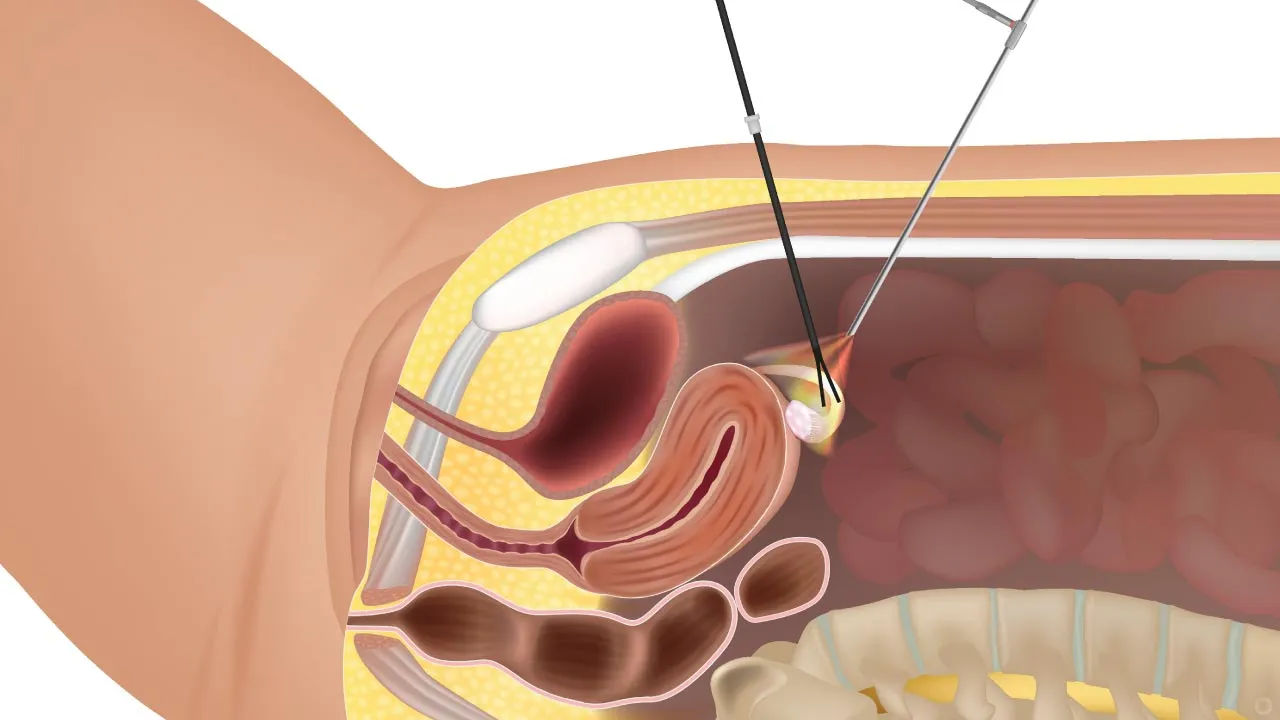
Endometriosis can be challenging to diagnose and treat because the condition does not affect every woman in the same way. Tissue similar to the lining of the uterus can develop outside the uterus, often around the ovaries, fallopian tubes, pelvic lining, bowel, bladder, or other areas of the pelvis.
When surgery is recommended, two terms that patients may hear are excision and ablation. Although both techniques are used to treat endometriosis lesions, they work differently.
Understanding the difference can help you have a more informed discussion with your gynecologist about which approach may be appropriate for your condition.
What Is Endometriosis Excision?
Excision involves surgically removing endometriosis lesions from the affected tissue.
During laparoscopic surgery, a surgeon makes small incisions and uses specialized instruments and a camera to examine the pelvis. The visible endometriosis can then be carefully removed, depending on its location and depth.
One potential advantage of excision is that the removed tissue can be sent for pathological examination. It may also allow the surgeon to address deeper lesions that require more than surface treatment.
However, excision is technically demanding. The extent and location of disease matter, particularly when endometriosis involves structures such as the bowel, bladder, ureters, or ovaries.
What Is Ablation For Endometriosis?
Ablation involves destroying the surface of endometriosis lesions using energy, such as heat or another energy-based technique, rather than removing the lesion completely.
It may be considered in selected cases, particularly when the disease is superficial and its location makes ablation appropriate.
The key difference is what happens to the lesion itself.
Excision removes the endometriosis tissue, while ablation destroys the surface of the lesion.
The choice between the two is not simply about which technique sounds more advanced. It depends on the patient's symptoms, disease location, depth, fertility goals, previous treatment, and the surgeon's assessment.
Why Does Laparoscopic Excision Matter?
Laparoscopic excision can provide an opportunity to identify and remove endometriosis lesions during the same procedure used to evaluate the pelvis.
For some patients, this may be particularly relevant when endometriosis is suspected to be deep or when disease is located around important pelvic structures.
A careful laparoscopic assessment can help the surgeon understand:
- Where the endometriosis is located
- Whether lesions appear superficial or deep
- Whether adhesions are present
- Whether the ovaries or fallopian tubes are affected
- Whether other pelvic structures are involved
- How extensive the disease appears to be
The goal is not simply to remove visible lesions. A surgeon also needs to consider surrounding anatomy and preserve healthy tissue whenever possible.
Excision vs. Ablation: Is One Always Better?
Not necessarily.
There is no single surgical technique that is appropriate for every person with endometriosis. Some patients may benefit from excision, while ablation may be reasonable for selected superficial disease.
The decision should take into account:
- Location of endometriosis: Deep disease may require a different surgical approach than superficial lesions.
- Severity and extent: The amount and distribution of disease can influence the procedure.
- Symptoms: Pain, painful periods, pain during intercourse, bowel symptoms, urinary symptoms, and other complaints may provide important clues.
- Fertility plans: If pregnancy is a concern, ovarian reserve and the potential impact of surgery on reproductive organs should be considered carefully.
- Previous surgery: Prior procedures may have resulted in scar tissue or adhesions that affect surgical planning.
- Surgeon's experience: Endometriosis surgery can involve complex pelvic anatomy, particularly when disease affects organs outside the reproductive system.
What Happens During Laparoscopic Excision?
Laparoscopic surgery is performed under anesthesia. Small incisions are generally made in the abdomen so a camera and surgical instruments can be introduced.
The surgeon examines the pelvis and identifies areas affected by endometriosis. Depending on the findings, lesions may be excised and adhesions may be released.
If endometriosis involves areas such as the bowel, bladder, ureters, or other structures, the procedure may require additional planning or involvement of other surgical specialists.
The exact procedure therefore depends on what is found during surgery and what was identified during the preoperative assessment.
What About Recovery After Excision?
Recovery varies depending on how extensive the surgery was.
Some patients experience abdominal discomfort, bloating, fatigue, or shoulder-tip discomfort in the days following laparoscopy. These symptoms generally improve as recovery progresses.
Your surgeon will provide specific instructions regarding:
- Wound care
- Physical activity
- Returning to work
- Exercise
- Sexual activity
- Follow-up appointments
- Warning signs that require medical attention
A more extensive excision procedure may require a longer recovery than a simpler laparoscopic procedure.
Can Excision Cure Endometriosis Permanently?
Surgery can remove visible endometriosis, but it is important not to describe surgery as a guaranteed permanent cure.
Endometriosis can recur, and symptoms may have more than one contributing cause. The likelihood of symptoms returning can depend on several factors, including the extent of disease, treatment approach, age, hormonal factors, and individual circumstances.
For some patients, additional medical treatment may also be discussed after surgery.
How Should You Decide Which Treatment Is Right For You?
The most important question is not simply, "Should I have excision or ablation?"
Instead, ask what type of endometriosis you have, where it is located, how extensive it appears to be, and what the goals of treatment are.
Your gynecologist may consider your symptoms, examination, imaging, fertility plans, previous treatments, and overall health before recommending an approach.
If surgery is being considered, it can also be helpful to ask about the surgeon's experience with laparoscopic endometriosis surgery and whether your case may require a multidisciplinary surgical team.
When Should You Seek Medical Advice?
Persistent pelvic pain, very painful periods, pain during intercourse, bowel or urinary symptoms that worsen around menstruation, or difficulty conceiving may warrant an evaluation for endometriosis.
Symptoms can vary considerably, and the severity of pain does not always reflect the extent of disease. A gynecological assessment can help determine whether further evaluation is appropriate.
Considering Laparoscopic Treatment For Endometriosis?
If endometriosis is affecting your daily life, fertility plans, or quality of life, getting a clear understanding of your treatment options can help you make an informed decision.
Dr. Amol Arun Rakhade can evaluate your symptoms, discuss whether laparoscopic surgery may be appropriate, and explain the potential benefits and considerations of excision or ablation based on your individual condition.
Book a consultation to discuss your endometriosis symptoms and understand which treatment approach may be suitable for you.
FAQs
Q: What is the main difference between excision and ablation for endometriosis?
A: Excision involves surgically removing endometriosis lesions, while ablation uses energy to destroy the surface of the lesions. The appropriate approach depends on the location, depth, and extent of disease and the patient's individual circumstances.
Q: Is laparoscopic excision suitable for every patient with endometriosis?
A: No. Treatment needs to be individualized. The location and extent of endometriosis, symptoms, fertility goals, previous surgery, and overall health can all influence whether laparoscopic excision is appropriate.
Q: Can endometriosis come back after excision surgery?
A: Endometriosis can recur after surgery. Removing visible lesions may help manage symptoms for some patients, but surgery does not guarantee that endometriosis will never return.
Q: Does excision improve fertility?
A: In some patients, treating endometriosis may be part of fertility management, but the effect on fertility varies. The extent of disease, ovarian reserve, age, other fertility factors, and the type of surgery all need to be considered.
Q: How long does recovery take after laparoscopic excision?
A: Recovery depends on the extent and complexity of the procedure. A straightforward laparoscopic procedure may have a shorter recovery, while extensive surgery involving deeper or more widespread disease may require more time.
Q: Can endometriosis affect the bowel or bladder?
A: Yes. Endometriosis can involve areas around or, in some cases, the bowel and bladder. Symptoms may include bowel or urinary discomfort that changes around menstruation. Such symptoms should be discussed with a gynecologist.
Q: Will I need hormonal treatment after endometriosis surgery?
A: Not everyone will need the same treatment after surgery. Depending on your symptoms, fertility plans, age, and risk of recurrence, your doctor may discuss hormonal or other management options.
Location
84, Rose Apartment, Sector 18B Rd, Sector 18, Sector 18A Dwarka, Dwarka, New Delhi, Delhi, 110078
Where expertise meets compassion, and every patient receives personalized care.


© 2025 Dr. Amol Arun Rakhade | All rights reserved | Website Design by Remedo