
Laparoscopy For Ectopic Pregnancy – Early Intervention Saves Lives
Introduction
An ectopic pregnancy occurs when a fertilized egg implants outside the uterus, most commonly within the fallopian tube. As the pregnancy grows, it can cause rupture of the tube, leading to severe internal bleeding and life-threatening complications. Early diagnosis and timely treatment are therefore critical to protect the patient’s health and future fertility.
According to Dr. Amol Arun Rakhade, laparoscopy has become the preferred approach for managing ectopic pregnancy because it is minimally invasive, safe, and associated with faster recovery when compared to open surgery.
What Is Laparoscopy?
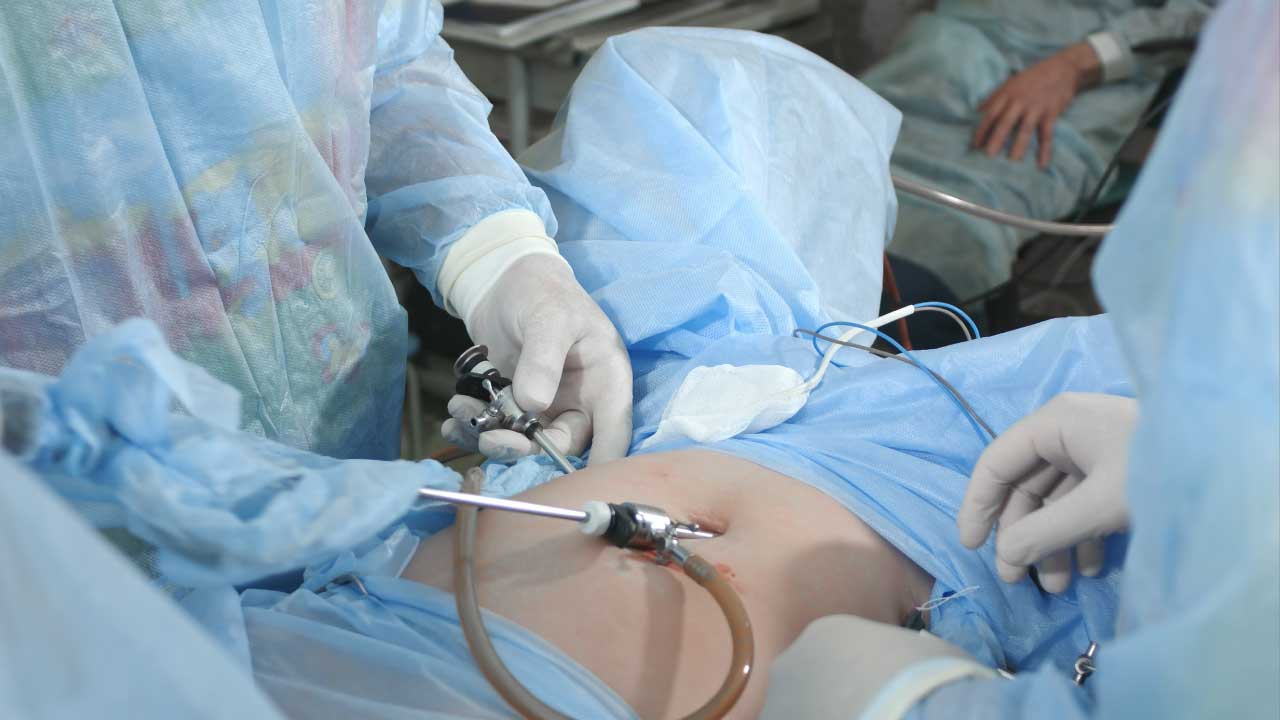
Laparoscopy is a minimally invasive surgical technique that allows doctors to examine and operate inside the abdomen using small incisions, a camera, and specialized instruments.
In cases of ectopic pregnancy, laparoscopy helps in:
- Accurate identification of the ectopic implantation site
- Safe removal of ectopic pregnancy tissue
- Preservation of the fallopian tube whenever feasible
- Minimizing damage to surrounding organs
The procedure is performed under general anesthesia and is usually completed within a short duration, depending on the clinical condition.
Why Early Intervention Is Critical
If an ectopic pregnancy is not treated in time, the fallopian tube can rupture, resulting in:
- Severe internal bleeding
- Sudden drop in blood pressure
- Shock and life-threatening complications
Early intervention using laparoscopy not only saves lives but also improves the chances of preserving fertility. Dr. Amol Arun Rakhade stresses that women with early symptoms or known risk factors should seek medical attention without delay.
Symptoms Of Ectopic Pregnancy
Early recognition of symptoms can be life-saving. Common warning signs include:
- Sharp or stabbing pain in the abdomen or pelvis, often on one side
- Vaginal bleeding or spotting
- Shoulder tip pain caused by internal bleeding irritating the diaphragm
- Dizziness, fainting, or weakness
- Nausea or vomiting
Symptoms usually appear between six and ten weeks of pregnancy. Any pregnant woman experiencing these symptoms should seek urgent medical evaluation.
Diagnosis Of Ectopic Pregnancy
Diagnosis typically involves:
- Pelvic ultrasound to locate the pregnancy
- Blood tests to measure beta-hCG hormone levels
- Physical examination to assess abdominal or pelvic tenderness
- Diagnostic laparoscopy in uncertain cases, which can also allow immediate treatment
Early and accurate diagnosis helps prevent rupture and reduces the risk of serious complications.
Laparoscopic Management Of Ectopic Pregnancy
During laparoscopic surgery, the surgeon may perform:
- Salpingostomy, where the ectopic tissue is removed while preserving the fallopian tube
- Salpingectomy, where the affected fallopian tube is removed if it is severely damaged or ruptured
- Control of bleeding to stabilize the patient
The advantages of laparoscopic surgery include:
- Smaller incisions and minimal scarring
- Reduced post-operative pain
- Shorter hospital stay
- Faster recovery
- Better chances of fertility preservation when the tube is saved
Dr. Amol Arun Rakhade notes that laparoscopy has largely replaced open surgery in most stable cases of ectopic pregnancy.
Recovery After Laparoscopy
Recovery after laparoscopic treatment is generally smooth. Most patients can resume normal daily activities within one to two weeks. Post-operative care includes:
- Managing mild pain with prescribed medications
- Keeping incision sites clean and dry
- Attending follow-up visits to monitor recovery and hormone levels
- Avoiding strenuous physical activity during the initial healing phase
Patients should contact their doctor if they experience fever, heavy bleeding, increasing pain, or signs of infection.
Risk Factors For Ectopic Pregnancy
Certain factors increase the likelihood of ectopic pregnancy, including:
- Previous ectopic pregnancy
- Pelvic inflammatory disease
- History of fallopian tube surgery
- Assisted reproductive techniques
- Smoking
- Increasing maternal age
- Awareness of these risk factors allows closer monitoring and early detection.
Preventing Complications
Although ectopic pregnancy cannot always be prevented, complications can be reduced through:
- Early consultation for unusual pregnancy symptoms
- Prompt evaluation of abdominal pain or bleeding
- Close monitoring in women with previous ectopic pregnancies
- Avoiding delays in seeking medical care
Dr. Amol Arun Rakhade emphasizes that awareness and timely intervention are essential for safe outcomes.
Frequently Asked Questions
Can I conceive after an ectopic pregnancy?
Yes. Many women go on to have successful pregnancies, especially when fertility-preserving surgery is possible.
Is laparoscopy safe for ectopic pregnancy?
Yes. It is a safe and minimally invasive procedure and is the preferred treatment in most cases.
When can I try to conceive again after surgery?
Doctors usually advise waiting two to three menstrual cycles or as recommended based on individual recovery.
What are the signs of a ruptured ectopic pregnancy?
Severe abdominal pain, dizziness, fainting, shoulder pain, and heavy bleeding require immediate emergency care.
Conclusion
Ectopic pregnancy is a serious and potentially life-threatening condition that demands early diagnosis and prompt treatment. Laparoscopy offers a safe, effective, and fertility-preserving approach, allowing faster recovery and fewer complications.
Dr. Amol Arun Rakhade highlights that early symptom recognition, timely consultation, and appropriate laparoscopic intervention are crucial for saving lives and safeguarding future fertility.
If you experience pelvic pain, abnormal vaginal bleeding, or unusual symptoms in early pregnancy, consult Dr. Amol Arun Rakhade without delay. Early evaluation and timely laparoscopic management can be life-saving and help protect your reproductive health.
Location
84, Rose Apartment, Sector 18B Rd, Sector 18, Sector 18A Dwarka, Dwarka, New Delhi, Delhi, 110078
Where expertise meets compassion, and every patient receives personalized care.


© 2025 Dr. Amol Arun Rakhade | All rights reserved | Website Design by Remedo