
What Happens During A Diagnostic Laparoscopy?
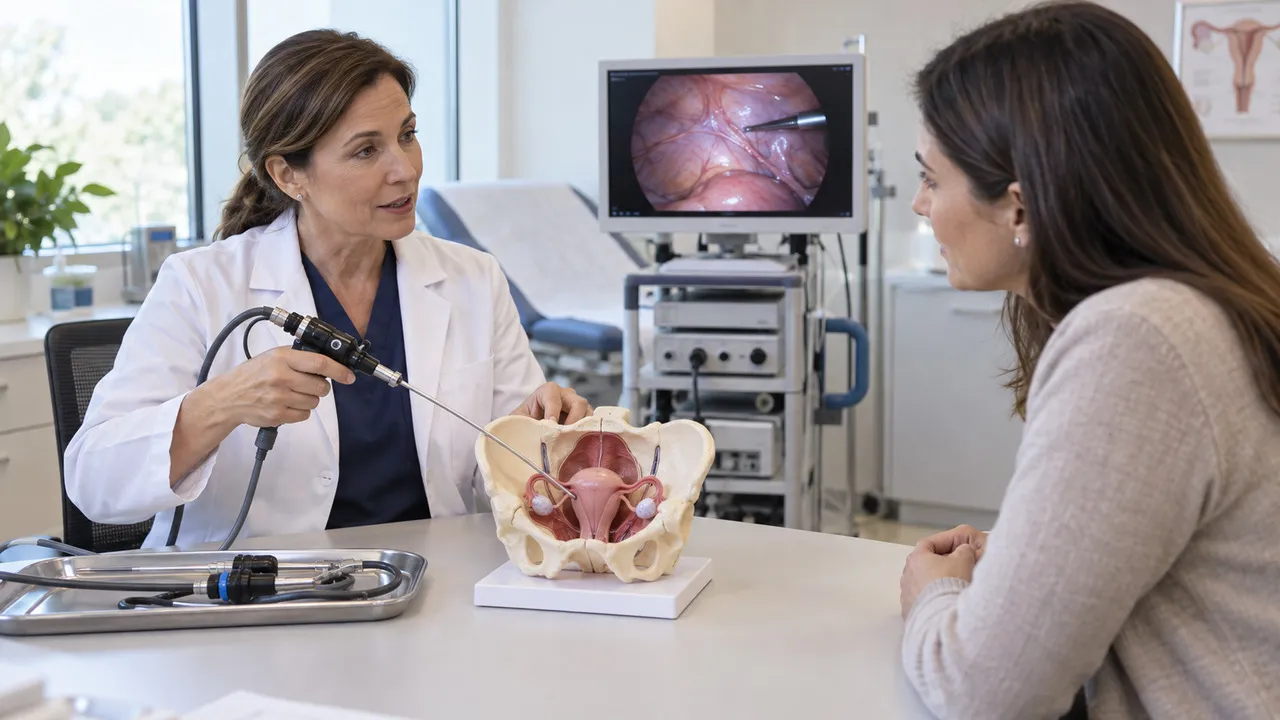
When symptoms such as persistent abdominal pain, pelvic pain, unexplained infertility, or unusual bleeding continue without a clear cause, your doctor may recommend further evaluation. Sometimes, scans and routine tests provide useful information but do not reveal the complete picture.
A diagnostic laparoscopy is a minimally invasive surgical procedure that allows a surgeon to directly examine the organs and tissues inside the abdomen and pelvis. It can help identify conditions that may not always be clearly visible through routine imaging.
Dr. Amol Arun Rakhade can evaluate your symptoms and medical history and determine whether diagnostic laparoscopy may be appropriate for your condition.
What Is Diagnostic Laparoscopy?
Diagnostic laparoscopy is a procedure performed using a thin, lighted instrument called a laparoscope. Instead of making one large abdominal incision, the surgeon usually makes small incisions through which the camera and surgical instruments can be introduced.
The camera provides a magnified view of the abdominal and pelvic organs on a monitor. This allows the surgeon to examine structures more closely and look for abnormalities.
Depending on the reason for the procedure, the surgeon may examine organs such as the uterus, ovaries, fallopian tubes, appendix, gallbladder, intestines, or other abdominal tissues.
Why Is Diagnostic Laparoscopy Done?
A doctor may recommend diagnostic laparoscopy when symptoms remain unexplained after other tests or when a condition needs direct evaluation.
Some common reasons include:
- Persistent abdominal or pelvic pain
- Suspected endometriosis
- Unexplained infertility
- Pelvic adhesions or scar tissue
- Ovarian or pelvic abnormalities
- Certain abdominal masses or cysts
- Suspected causes of chronic abdominal symptoms
- Evaluation of conditions that have not been fully explained by imaging
The exact reason for laparoscopy varies from patient to patient.
What Happens Before The Procedure?
Before diagnostic laparoscopy, your doctor will review your symptoms, medical history, medications, previous surgeries, and test results.
You may need blood tests or other preoperative assessments depending on your health and the type of procedure planned.
Your doctor will also explain fasting instructions and which medications you may need to stop or adjust before surgery. It is important to follow these instructions carefully.
Diagnostic laparoscopy is generally performed under general anesthesia, so you will be asleep during the procedure.
What Happens During Diagnostic Laparoscopy?
Once you are under anesthesia, the surgeon usually makes a small incision, often near the belly button. The abdomen is gently inflated with carbon dioxide gas to create enough space to see and work safely.
The laparoscope is then inserted through the incision. The camera sends images to a monitor, allowing the surgeon to examine the abdominal and pelvic structures.
Additional small incisions may be made if other instruments are needed.
The surgeon carefully looks for abnormalities such as inflammation, endometriosis, adhesions, cysts, infection, unusual tissue growth, or other changes that could explain your symptoms.
If necessary, a small tissue sample called a biopsy may be taken for laboratory examination.
Can Treatment Be Done During The Same Procedure?
Sometimes, yes.
Although diagnostic laparoscopy is performed primarily to identify the cause of a problem, treatment may be possible during the same procedure when the findings are suitable.
For example, the surgeon may be able to remove certain cysts, treat visible endometriosis, release adhesions, or take a biopsy.
Whether treatment can be performed at the same time depends on what is discovered, the location of the abnormality, and your preoperative consent.
Your surgeon will discuss possible treatment options with you before the procedure.
How Long Does Diagnostic Laparoscopy Take?
The duration varies depending on the reason for surgery and what needs to be examined.
A straightforward diagnostic procedure may be relatively short, while additional treatment or complex findings can make the operation longer.
Your doctor can provide a more individualized estimate based on your planned procedure.
What Happens After Laparoscopy?
After the procedure, you will be taken to a recovery area where your vital signs are monitored as the anesthesia wears off.
Some people experience temporary abdominal discomfort, bloating, tiredness, nausea, or shoulder pain. Shoulder discomfort can occur because of the carbon dioxide gas used during the procedure.
Pain medication may be recommended if needed.
Many laparoscopic procedures are performed as day care or short-stay procedures, but this depends on the complexity of surgery and your overall health.
What Is Recovery Like?
Recovery after diagnostic laparoscopy is generally quicker than recovery from traditional open abdominal surgery because the incisions are smaller.
You may need to rest for a few days and gradually return to normal activities according to your doctor's instructions.
The recovery period depends on whether the procedure was purely diagnostic or whether additional treatment was performed.
Follow your surgeon's advice regarding exercise, lifting, driving, wound care, and returning to work.
Is Diagnostic Laparoscopy Safe?
Laparoscopy is widely used as a minimally invasive surgical approach, but like any surgical procedure, it carries potential risks.
Possible complications can include bleeding, infection, injury to nearby organs or blood vessels, reactions to anesthesia, or blood clots. Serious complications are uncommon, but individual risk varies.
Your surgeon will explain the potential benefits and risks before recommending the procedure.
Why Can Laparoscopy Be Helpful When Scans Are Inconclusive?
Ultrasound, CT scans, and MRI can provide valuable information about structures inside the body. However, some abnormalities may be difficult to identify through imaging alone.
Laparoscopy allows the surgeon to directly see the abdominal and pelvic organs. This can be particularly useful when symptoms persist despite inconclusive or normal imaging results.
For conditions such as endometriosis or pelvic adhesions, direct visualization may provide important information that complements previous investigations.
When Should You Consider Further Evaluation?
Persistent symptoms should not be ignored simply because an initial scan appears normal.
If you continue to experience unexplained abdominal or pelvic pain, fertility difficulties, or other concerning symptoms, speak with your doctor about whether further evaluation is needed.
Dr. Amol Arun Rakhade can review your symptoms and previous investigations and help determine whether diagnostic laparoscopy or another approach may be suitable.
Take The Next Step Toward A Clearer Diagnosis
When symptoms remain unexplained, finding the underlying cause is an important part of effective care. Diagnostic laparoscopy gives surgeons the opportunity to directly examine the abdomen and pelvis and, when appropriate, obtain tissue samples or perform treatment during the same procedure.
If you have persistent abdominal or pelvic symptoms or your previous investigations have not provided a clear explanation, Dr. Amol Arun Rakhade can help you understand your diagnostic options and determine the next appropriate step for your care.
FAQs
Q: Is diagnostic laparoscopy painful?
A: The procedure is performed under anesthesia, so you should not feel pain during the surgery. Some abdominal discomfort, bloating, or shoulder pain may occur after the procedure and usually improves as you recover.
Q: Is diagnostic laparoscopy performed under general anesthesia?
A: Yes. Diagnostic laparoscopy is commonly performed under general anesthesia, meaning you are asleep during the procedure.
Q: Can laparoscopy detect endometriosis?
A: Yes. Laparoscopy allows the surgeon to directly examine the pelvic tissues and can help identify endometriosis lesions, including some that may not have been clearly detected on imaging.
Q: Can a biopsy be taken during laparoscopy?
A: Yes. If the surgeon identifies an area that requires further evaluation, a small tissue sample may be collected and sent to a laboratory for examination.
Q: Can diagnostic laparoscopy become a treatment procedure?
A: In some cases, yes. If an abnormality is identified and appropriate treatment has been discussed and consented to beforehand, certain conditions may be treated during the same laparoscopic procedure.
Q: How long does it take to recover from diagnostic laparoscopy?
A: Recovery varies from person to person. A straightforward diagnostic procedure may allow a relatively quick return to normal activities, while additional treatment can require more recovery time.
Q: Can I go home the same day after laparoscopy?
A: Some patients can go home the same day, while others may need observation or an overnight stay. The decision depends on the type and complexity of the procedure and your recovery after anesthesia.
Q: When should I contact my doctor after laparoscopy?
A: Contact your doctor if you develop symptoms such as worsening pain, heavy bleeding, persistent vomiting, fever, breathing difficulties, or increasing redness or discharge around the incision sites.
Location
84, Rose Apartment, Sector 18B Rd, Sector 18, Sector 18A Dwarka, Dwarka, New Delhi, Delhi, 110078
Where expertise meets compassion, and every patient receives personalized care.


© 2025 Dr. Amol Arun Rakhade | All rights reserved | Website Design by Remedo