
Abnormal Uterine Bleeding – When Is Surgery Recommended?
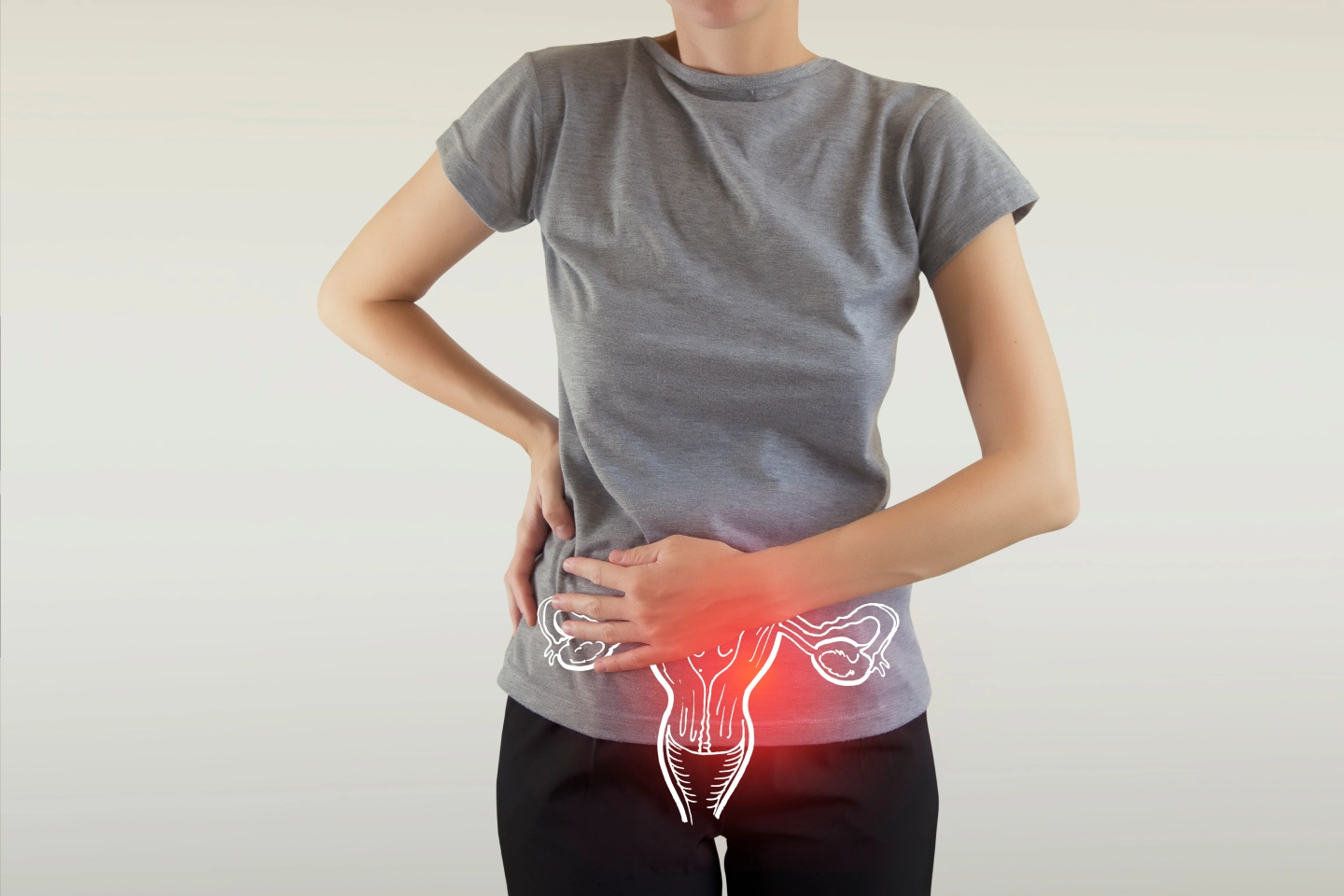
For many women, monthly menstrual cycles are predictable. But when bleeding becomes heavier, lasts longer, or occurs between periods, it’s called Abnormal Uterine Bleeding (AUB).
This is one of the most common reasons women visit a gynecologist — and while most cases are treatable with medication, sometimes surgery becomes necessary for lasting relief.
Dr. Amol Arun Rakhade, Advanced Gynae Laparoscopic Surgeon, explains what AUB means, its causes, and when surgical treatment is the right choice.
Understanding Abnormal Uterine Bleeding (AUB)
Abnormal uterine bleeding refers to any deviation from the normal menstrual pattern — in timing, flow, or duration.
Normally, menstrual bleeding lasts 3 to 7 days and occurs every 21 to 35 days. Any bleeding outside this pattern may be abnormal.
Types Of AUB Include:
- Heavy menstrual bleeding (menorrhagia): Excessive flow requiring frequent pad changes.
- Intermenstrual bleeding: Spotting or bleeding between two periods.
- Prolonged bleeding: Periods lasting more than 7 days.
- Postmenopausal bleeding: Any bleeding occurring after menopause.
- Irregular cycles: Periods that come unpredictably, too frequently, or too far apart.
Common Causes Of Abnormal Uterine Bleeding
AUB can result from various structural, hormonal, or systemic causes.
According to Dr. Rakhade, identifying the underlying cause is key to effective treatment.
1. Hormonal Imbalance
When estrogen and progesterone are not balanced, the uterine lining may thicken excessively and shed irregularly.
2. Uterine Fibroids
Benign (non-cancerous) growths of the uterus that can cause heavy or prolonged bleeding.
3. Endometrial Polyps
Soft, small growths on the inner uterine wall that can trigger spotting or intermenstrual bleeding.
4. Adenomyosis
A condition where the endometrial tissue grows into the muscular wall of the uterus, leading to pain and heavy flow.
5. Endometrial Hyperplasia
Thickening of the uterine lining due to excess estrogen, sometimes a precursor to cancer.
6. Ovulatory Dysfunction
Irregular ovulation (common in PCOS, thyroid disorders, or perimenopause) can disrupt menstrual regularity.
7. Coagulation Disorders
Blood clotting problems can lead to prolonged or heavy bleeding.
8. Malignancy
Rarely, endometrial or cervical cancers may present as abnormal bleeding, especially postmenopause.
Diagnosis
AUB is a symptom, not a disease. To determine its cause, your doctor may recommend:
- Pelvic examination
- Ultrasound scan (transvaginal or pelvic)
- Pap smear
- Endometrial biopsy or hysteroscopy
- Blood tests for anemia, thyroid function, and hormones
Dr. Amol Rakhade emphasizes that accurate diagnosis ensures the right treatment — whether medical or surgical.
When Is Surgery Recommended For AUB?
Most cases of AUB respond to medications such as hormonal therapy, oral contraceptives, or non-hormonal drugs.
However, surgery is advised when:
1. Medical Treatment Fails
If medications and lifestyle modifications don’t control the bleeding or symptoms keep recurring.
2. Structural Problems Exist
Fibroids, large polyps, or adenomyosis that distort the uterine shape often need surgical correction.
3. Precancerous Or Cancerous Conditions
If biopsy shows endometrial hyperplasia with atypia or malignancy, surgical removal may be necessary.
4. Severe Bleeding Causing Anemia
When heavy blood loss leads to fatigue, weakness, or low hemoglobin levels despite medication.
5. Completed Family Planning
Women who have completed childbirth may opt for definitive surgical options for permanent relief.
Surgical Options For Abnormal Uterine Bleeding
With modern gynecological advancements, surgery for AUB is now minimally invasive, allowing faster recovery and minimal discomfort.
Here are the most common procedures recommended by Dr. Amol Arun Rakhade:
1. Hysteroscopic Polypectomy Or Myomectomy
- Used to remove uterine polyps or small fibroids through the vaginal route.
- No external incision needed; done under short anesthesia.
2. Endometrial Ablation
- The uterine lining (endometrium) is destroyed using heat or electrical energy.
- Reduces or stops menstrual bleeding completely.
- Suitable for women who have completed childbearing.
3. Laparoscopic Myomectomy
- Keyhole surgery to remove larger fibroids while preserving the uterus.
- Ideal for women who wish to maintain fertility.
4. Laparoscopic Hysterectomy
- Minimally invasive removal of the uterus for chronic, treatment-resistant cases.
- Offers faster recovery, less pain, and minimal scarring compared to open surgery.
5. Dilation And Curettage (D&C)
A diagnostic or temporary therapeutic procedure where the uterine lining is scraped to control bleeding.
Recovery After Surgery
- Recovery depends on the procedure performed.
- Hysteroscopic or ablation procedures: Usually day-care surgeries with 1–2 days of rest.
- Laparoscopic surgeries: Recovery within 1–2 weeks.
- Open surgeries: May require longer hospitalization and rest.
Dr. Rakhade highlights that laparoscopic surgery has become the preferred option for most AUB cases due to less pain, quicker recovery, and better cosmetic outcomes.
Living Well After Surgery
After surgical treatment for AUB, women can expect:
- Relief from excessive bleeding
- Improved energy levels
- Restored hemoglobin levels
- Reduced pelvic discomfort
- Better quality of life
Following your doctor’s advice regarding diet, rest, and follow-up visits ensures a smooth recovery.
FAQs On Abnormal Uterine Bleeding
Q1. Can abnormal uterine bleeding be a sign of cancer?
Not always, but it’s essential to rule out malignancy, especially in postmenopausal women.
Q2. Will surgery affect my fertility?
Fertility depends on the type of surgery. Procedures like myomectomy preserve fertility, while hysterectomy ends it.
Q3. Are there alternatives to hysterectomy?
Yes. Options like hysteroscopic removal or ablation can manage AUB without removing the uterus.
Q4. Is laparoscopic surgery safe?
Yes, it’s a safe and effective technique with faster recovery, minimal scarring, and reduced complications.
Q5. When should I see a doctor for abnormal bleeding?
If your bleeding is heavy, prolonged, irregular, or occurs after menopause, seek prompt gynecological evaluation.
Expert Surgical Care You Can Trust
Abnormal uterine bleeding can disrupt daily life — but with proper diagnosis and expert treatment, relief is within reach.
Dr. Amol Arun Rakhade, Advanced Gynae Laparoscopic Surgeon, specializes in minimally invasive management of AUB, fibroids, and uterine disorders. His patient-centered approach ensures safe, effective care with faster recovery and better comfort.
Consult Dr. Amol Arun Rakhade Today
Restore your comfort, confidence, and quality of life with expert gynecological care designed for you.
Location
84, Rose Apartment, Sector 18B Rd, Sector 18, Sector 18A Dwarka, Dwarka, New Delhi, Delhi, 110078
Where expertise meets compassion, and every patient receives personalized care.


© 2025 Dr. Amol Arun Rakhade | All rights reserved | Website Design by Remedo